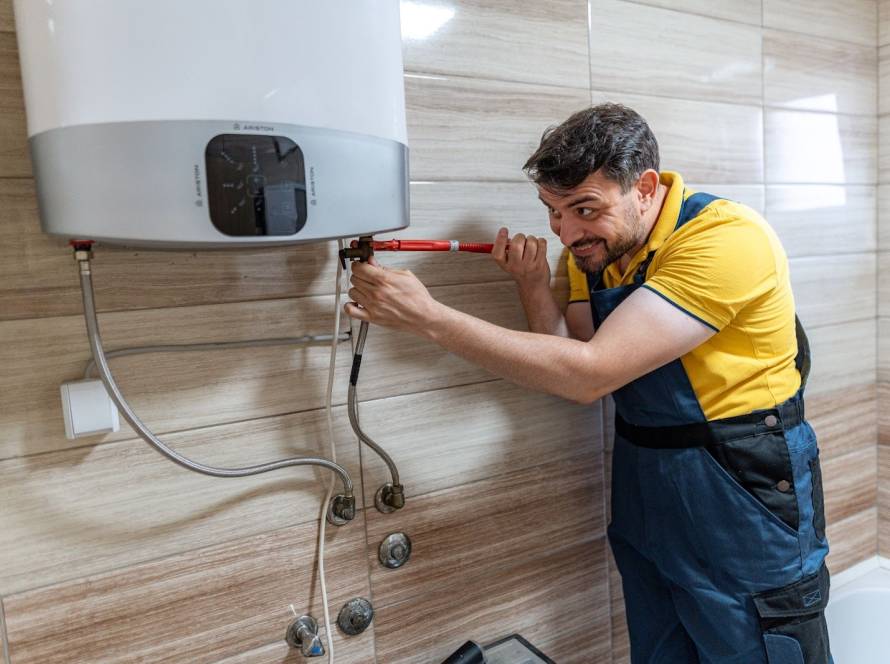
Hot water supports daily routines, from showers to cleaning and cooking tasks. Most homeowners think about their system only when it stops working. Small issues often build quietly and lead to higher energy bills over time. Regular water heater maintenance keeps performance steady and reduces the risk of unexpected breakdowns. Knowing the right maintenance schedule helps you protect comfort, cost, and system lifespan.
Water Heater Maintenance Basics
Water heater maintenance means inspecting, cleaning, and servicing parts to keep the unit working properly. These tasks vary depending on system type, usage, and water conditions in your home. A clear maintenance routine helps prevent damage that develops slowly over time. Understanding these basics allows homeowners to make informed decisions about care and service timing.
Types of Water Heaters and Care Needs
Different water heaters require different maintenance steps based on how they heat and store water. Tank systems store heated water and, over time, often collect sediment at the bottom. Tankless systems heat water on demand and need descaling to prevent mineral buildup inside components. Gas models include burners and vents that require inspection for safe operation. Electric units rely on heating elements that can wear out with frequent use. Knowing your system type helps you follow the right maintenance schedule and avoid unnecessary repairs.
Factors That Affect Maintenance Frequency
Maintenance frequency depends on your home’s water quality, usage levels, and system age. Hard water causes minerals to build up more quickly, increasing the need for cleaning. Larger households place greater demand on the system, leading to faster wear on internal parts. Older units often require more frequent checks because components weaken over time. Manufacturer guidelines provide a starting point, but real conditions may require adjustments. According to industry data from the U.S. Department of Energy, proper maintenance improves efficiency and extends equipment lifespan.
Water Heater Maintenance Frequency Guide
Most homes need water heater maintenance at least once per year for reliable performance. This schedule works well for average usage and standard water conditions. Some situations require more frequent servicing due to higher demand or mineral content. Following a tailored schedule helps maintain efficiency and reduces unexpected repair costs.
Annual Water Heater Maintenance Schedule
Annual maintenance includes inspection, flushing, and safety checks to keep the system running efficiently. Technicians examine components like valves, heating elements, and thermostats during a service visit. This routine helps detect small issues before they grow into larger problems. Skipping yearly maintenance allows sediment and wear to reduce performance over time. Higher energy use often follows when systems work harder to heat water. A yearly service plan supports steady operation and long-term reliability.
When to Service More Frequently
Some homes require maintenance every six months due to water conditions or heavy usage. Hard water areas lead to faster sediment buildup, which reduces efficiency and performance. Large families increase system demand, leading to faster component wear. Older units also benefit from closer monitoring as parts begin to age. Changes in performance, such as slower heating, suggest the need for earlier service. Adjusting your schedule based on these factors keeps your system working at its best.
Tankless Water Heater Service Timing
Tankless water heaters need regular descaling to maintain strong performance and efficiency. Most systems require service once per year under normal conditions. Homes with hard water may need descaling twice per year to prevent buildup. Mineral deposits can restrict water flow and reduce heating consistency. Regular maintenance keeps internal components clean and functioning properly. A steady schedule helps maintain the efficiency benefits of tankless systems.
Seasonal Timing for Water Heater Care
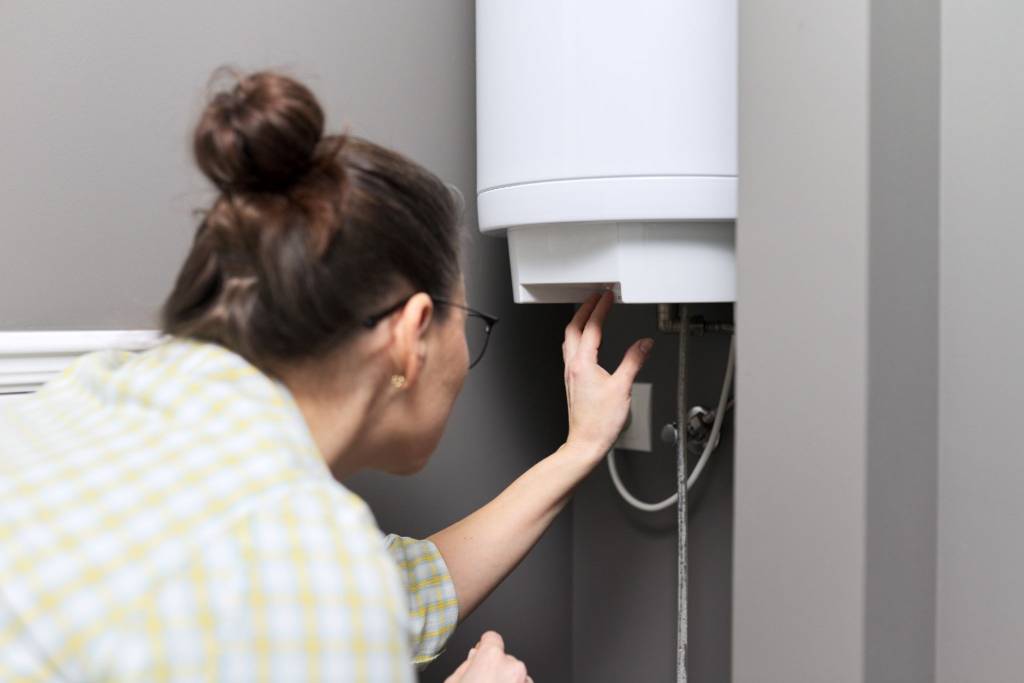
Seasonal timing affects when you should schedule water heater maintenance for best results. Demand fluctuates throughout the year, placing varying levels of strain on your system. Planning service around these shifts helps maintain efficiency and avoid unexpected issues. A seasonal approach adds structure to your maintenance routine and improves long-term performance.
Best Time of Year for Heater Maintenance
The best time to schedule maintenance is during periods of lower hot water demand. Many homeowners choose late spring or early fall for service appointments. These periods allow technicians to work without the peak system pressure caused by heavy usage. Scheduling during off-peak times also improves appointment availability and service flexibility. This timing helps identify and fix issues before high-demand seasons begin. A planned schedule reduces the risk of breakdowns when hot water is needed most.
Winter Demand and System Strain
Winter increases hot water usage due to colder temperatures and longer showers. This higher demand places added stress on heating components and system efficiency. Sediment buildup becomes more noticeable when the system works harder to maintain temperature. Minor issues can quickly turn into larger problems during this period. Preparing your system before winter helps maintain steady performance under pressure. Regular maintenance before the colder months reduces the chance of mid-season failures.
Summer and Low-Demand Opportunities
Summer offers a useful window for maintenance, as hot water use is lower in many homes. Systems often operate under less strain, which makes it easier to perform inspections and cleaning. This period allows homeowners to address minor issues without urgency. Technicians can complete maintenance tasks more efficiently during these months. This timing also helps prepare the system for increased demand later in the year. Taking advantage of low-demand periods supports consistent performance year-round.
Core Water Heater Maintenance Tasks
Water heater maintenance includes several key tasks that support safe and efficient operation. Some tasks are simple enough for homeowners to handle with care and attention. Other tasks require professional tools and technical knowledge to be executed properly. Understanding these tasks helps you stay proactive and avoid preventable issues.
Flushing the Tank to Remove Sediment
Flushing removes mineral buildup that settles at the bottom of tank water heaters over time. Sediment reduces efficiency and may cause rumbling sounds during operation. This buildup forces the system to work harder to heat water, which increases energy use. Most tanks require flushing once per year, though hard water may require more frequent service. Ignoring sediment can lead to overheating and internal damage. Regular flushing helps maintain performance and extends the system’s lifespan.
Checking the Anode Rod Condition
The anode rod protects the tank by attracting minerals that cause corrosion. Over time, this component wears down and loses its ability to protect the tank. Inspecting the rod every few years helps prevent rust from forming inside the unit. Replacing a worn rod can add years to the system’s life. Many homeowners overlook this part, even though it provides strong protection. A professional can inspect and replace it during routine maintenance.
Inspecting Valves and Safety Features
Safety components protect your home by controlling pressure and temperature inside the system. The pressure relief valve releases excess pressure to prevent dangerous buildup. Faulty valves may fail to operate correctly when needed. Inspecting connections also helps detect leaks before they worsen. Thermostat settings should remain within safe ranges to prevent overheating. Professional inspections confirm that all safety features function properly.
Signs You Need Water Heater Service
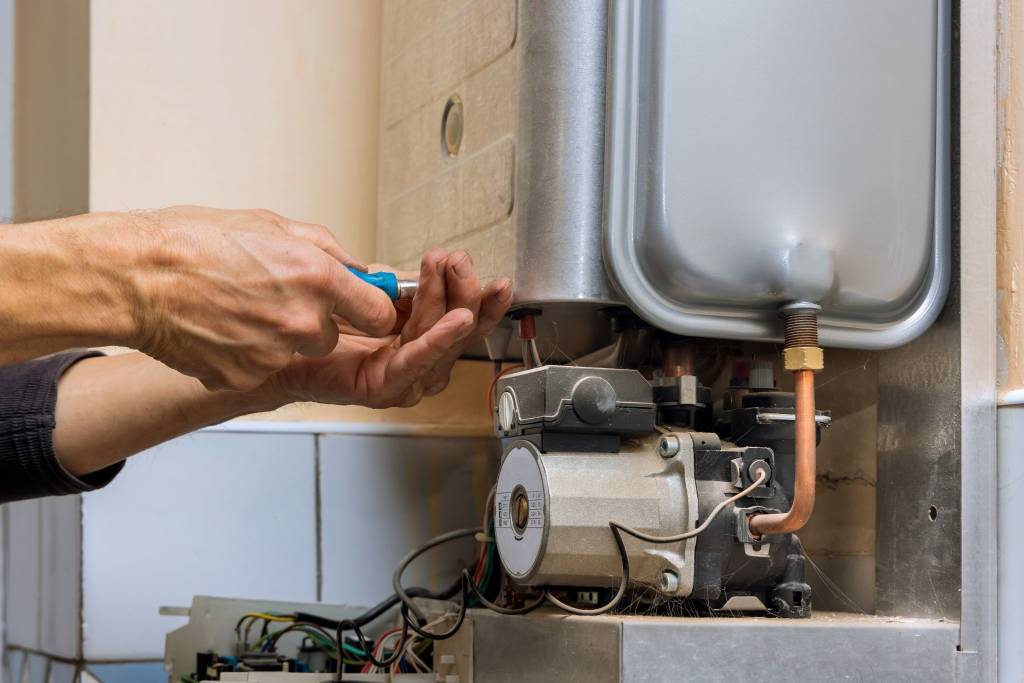
Water heaters often show warning signs before performance declines or failure occurs. Recognizing these signs helps you address issues before they become costly repairs. Small changes in performance often indicate deeper problems inside the system. Paying attention to these signals keeps your home safe and comfortable.
Inconsistent Hot Water Temperature
Fluctuating water temperature often signals internal issues within the system. Sediment buildup can interfere with heating efficiency and temperature control. Faulty thermostats or heating elements may also cause uneven performance. This problem often worsens if ignored for long periods. Addressing temperature changes quickly helps maintain a consistent hot water supply. Professional diagnosis identifies the exact cause and prevents further damage.
Unusual Noises from the Heater
Rumbling or popping sounds usually come from sediment heating inside the tank. This noise indicates that mineral buildup has reached a noticeable level. Over time, this condition can strain the system and reduce efficiency. Ignoring these sounds may lead to damage or failure. Flushing the tank promptly often resolves the issue. Persistent noise may require a technician to perform a deeper inspection.
Leaks, Rust, or Discolored Water
Leaks around the unit often point to worn connections or internal damage. Rust on the tank or in the water suggests corrosion inside the system. Discolored water may indicate that internal components are breaking down. These warning signs should not be ignored because they often worsen quickly. Addressing leaks early helps prevent property damage and costly repairs. A professional can determine whether repair or replacement is the best option.
Benefits of Routine Water Heater Care
Routine water heater maintenance improves performance, reduces costs, and extends system lifespan. Regular care keeps components clean and working efficiently over time. Homeowners who follow a maintenance plan often experience fewer unexpected breakdowns. These benefits make consistent service a smart investment for long-term comfort.
Lower Energy Costs and Efficiency Gains
Clean systems heat water faster and use less energy during operation. Sediment buildup forces the heater to work harder, which increases utility costs. Regular maintenance removes buildup and restores efficiency. Lower energy use leads to noticeable savings over time. Efficient systems also reduce strain on internal components. This improvement helps maintain consistent performance throughout the year.
Longer Lifespan and Fewer Breakdowns
Routine maintenance helps prevent wear that leads to early system failure. Components last longer when they operate under proper conditions. Regular inspections catch small issues before they grow into larger problems. This approach reduces the risk of unexpected breakdowns. A longer lifespan delays the need for costly replacement. Homeowners benefit from reliable performance and fewer disruptions.
Keep Water Heater Maintenance on Track
Water heater maintenance works best when it becomes part of your regular home routine. Small, consistent actions help you avoid costly repairs and unexpected system failures. Staying on schedule keeps performance steady and energy use under control. Schedule professional water heater service when needed to keep your system reliable every day.
Stay informed and make smarter home decisions with practical insights from the Brancato’s Heating Inc. blog.