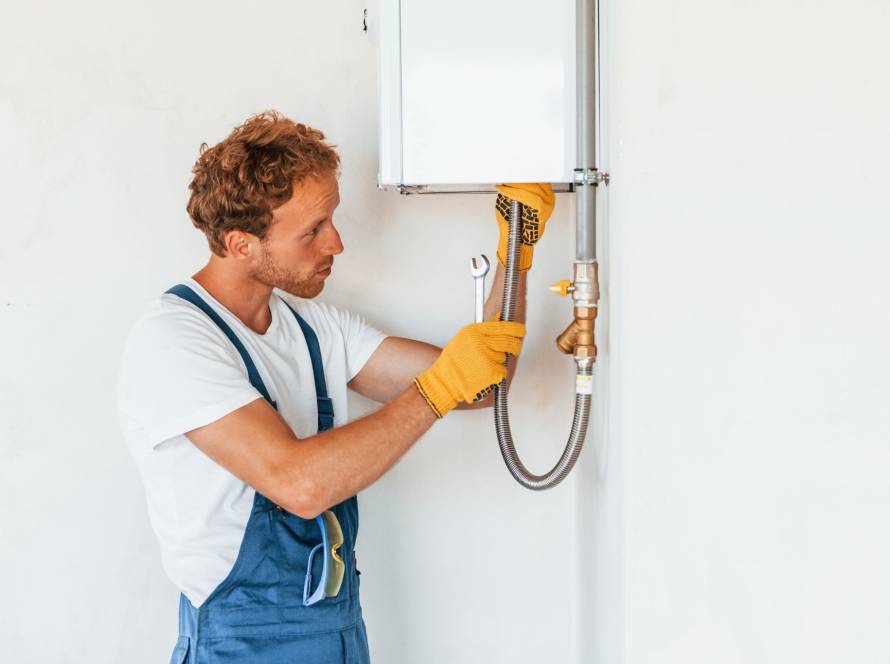
Hot water problems disrupt daily life faster than most homeowners expect. When showers run cold or water smells strange, frustration builds quickly. Many of these issues stem from common water heater repairs that trained plumbers handle every day. Ignoring small warning signs often leads to higher utility bills and property damage. Clear knowledge about typical heater problems helps you make smart decisions and protect your home investment.
What Causes Water Heaters to Wear Out
Water heaters wear out because constant heat, pressure, and mineral exposure gradually weaken internal components. Each heating cycle causes metal parts to expand and contract, which strains seals and connections over time. Hard water accelerates this process by depositing minerals on heating elements and tank walls. As sediment accumulates, the system must work harder to heat water efficiently. Heavy household demand increases runtime and adds stress to key components. Incorrect thermostat settings can also cause parts to overheat and shorten their lifespan. When maintenance is neglected, these combined factors lead to more frequent and costly water heater repairs.
Common Problems That Lead to Heater Repairs
Most residential water heaters fail due to predictable mechanical or maintenance-related issues. Internal components wear down, sediment accumulates, and safety controls lose accuracy over time. These breakdowns rarely happen without warning signs that homeowners can spot. Understanding the typical causes behind repair calls makes it easier to address problems before they disrupt daily routines.
No Hot Water or Temperature Fluctuations
No hot water usually signals a failed heating component or control issue inside the unit. Inconsistent temperatures often stem from faulty thermostats, burners, or electric elements. These problems disrupt routines and may increase energy use. Prompt diagnosis limits further strain on internal parts and restores reliable performance.
Faulty Heating Elements in Electric Units
Faulty heating elements are the most common cause of electric water heater failures. These metal components heat the stored water directly, and mineral buildup from hard water often coats their surface. When the buildup thickens, the element overheats and eventually burns out. Homeowners usually notice lukewarm water that runs cold quickly during showers. A licensed technician tests each element with a multimeter to confirm continuity and power flow. Replacing the damaged element restores steady heating and reduces unnecessary energy consumption.
Gas Burner or Control Valve Problems
Gas burner issues prevent proper combustion, resulting in reduced heating output. A dirty burner chamber restricts airflow, weakening the flame pattern. When the gas control valve malfunctions, it limits fuel delivery and disrupts temperature regulation. You might hear delayed ignition or notice water that never reaches the set temperature. A professional plumber cleans the burner assembly and verifies safe gas pressure levels. Proper service improves heating efficiency and supports safe operation.
Malfunctioning Thermostat Controls
Thermostat failure leads to sudden temperature swings. This control device regulates when the heater turns on and off. Loose wiring or worn contacts can send incorrect signals to the heating source. Homeowners often adjust the dial repeatedly without improvement. A technician tests calibration and replaces faulty controls when necessary. Accurate temperature control prevents overheating and protects plumbing fixtures.
Water Heater Leaks and Tank Damage
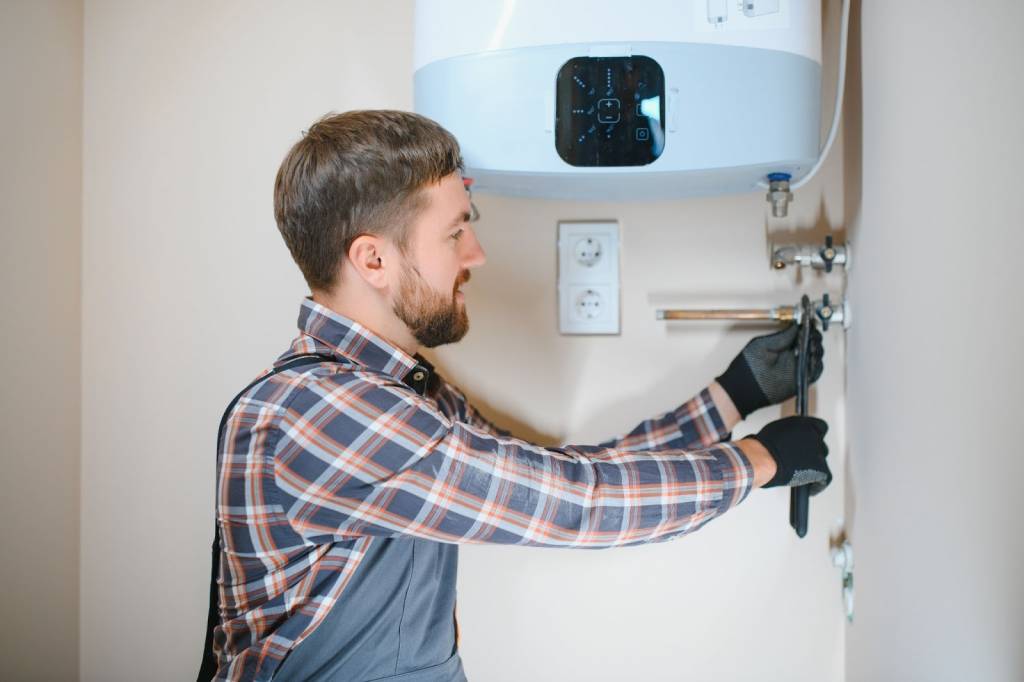
Water heater leaks often begin as small drips around fittings or the tank base. These leaks can damage flooring, drywall, and nearby belongings if ignored. Corrosion, loose connections, or high internal pressure are usually the cause. Identifying the source quickly limits repair costs and prevents structural harm.
Corroded or Cracked Storage Tank
A leaking storage tank usually indicates internal corrosion. Steel tank walls deteriorate over time despite protective linings. The anode rod, which attracts corrosive minerals, slows rust formation but eventually wears out. Rusty hot water often appears before visible leaks develop. Once cracks form in the tank body, patch repairs rarely hold for long. Most plumbers recommend full replacement when structural integrity declines.
Loose Pipe Connections and Fittings
Loose pipe connections are a common cause of minor water heater leaks. Thermal expansion from repeated heating and cooling cycles can gradually shift fittings. You may notice moisture near the inlet or outlet pipes at the top of the unit. Tightening or resealing threaded joints often resolves this issue. Damaged washers or corroded connectors require part replacement. A professional inspection confirms that no broader plumbing faults exist.
Faulty Temperature Pressure Relief Valve
A leaking temperature- and pressure-relief valve indicates excess pressure inside the tank. This safety device releases water when the temperature or pressure rises beyond safe limits. Sediment buildup or high municipal water pressure can trigger discharge. Homeowners should never cap or block this valve. A plumber tests system pressure and replaces the valve if needed. Proper function prevents a dangerous tank rupture.
Strange Noises From the Water Heater
Strange noises from a water heater usually point to sediment or pressure issues. Rumbling or popping sounds occur when minerals settle at the tank bottom. These sounds often indicate reduced heating efficiency. Addressing the source restores quiet operation and improves performance.
Sediment Buildup Inside the Tank
Sediment buildup forms when minerals separate from heated water. Hard water areas experience this problem more frequently, according to plumbing industry maintenance data. As sediment thickens, it traps water beneath the layer, producing popping sounds during heating cycles. This buildup forces the burner or element to work harder, increasing energy use. Regular tank flushing removes accumulated debris and extends equipment life. Many manufacturers recommend annual flushing in regions with elevated mineral content.
Expanding Metal and Internal Movement
Expanding metal components can create knocking or ticking sounds. As water heats, metal surfaces expand and shift slightly within the tank. Excess sediment or loose mounting brackets can amplify these noises. Occasional light ticking may remain normal, but loud banging deserves inspection. A trained technician checks internal supports and mounting hardware. Correcting these issues reduces long-term wear on the tank lining.
Discolored or Smelly Hot Water
Discolored or foul-smelling hot water often originates within the heater rather than in the municipal supply lines. Rusty water typically signals internal corrosion. Unpleasant odors often stem from bacteria reacting with tank components. Prompt evaluation protects both water quality and appliance lifespan.
Worn Anode Rod and Rust Formation
A worn anode rod allows rust to form inside the tank. This sacrificial metal rod attracts corrosive minerals and protects steel walls. Once depleted, corrosion spreads to the tank interior. Homeowners may notice reddish water from hot taps while cold water remains clear. Replacing the anode rod can extend tank life for several years. Routine inspection every few years reduces the risk of severe deterioration.
Bacterial Growth Causing Odors
Bacterial growth inside the tank often causes a sulfur-like smell. These bacteria react with the anode rod, producing hydrogen sulfide gas. Homes using well water experience this issue more frequently. Flushing the tank with a disinfecting solution eliminates most odor problems. In recurring cases, plumbers may install a different anode material. Professional cleaning restores fresh-smelling hot water and improves overall system hygiene.
Damaged Dip Tube Affecting Water Quality
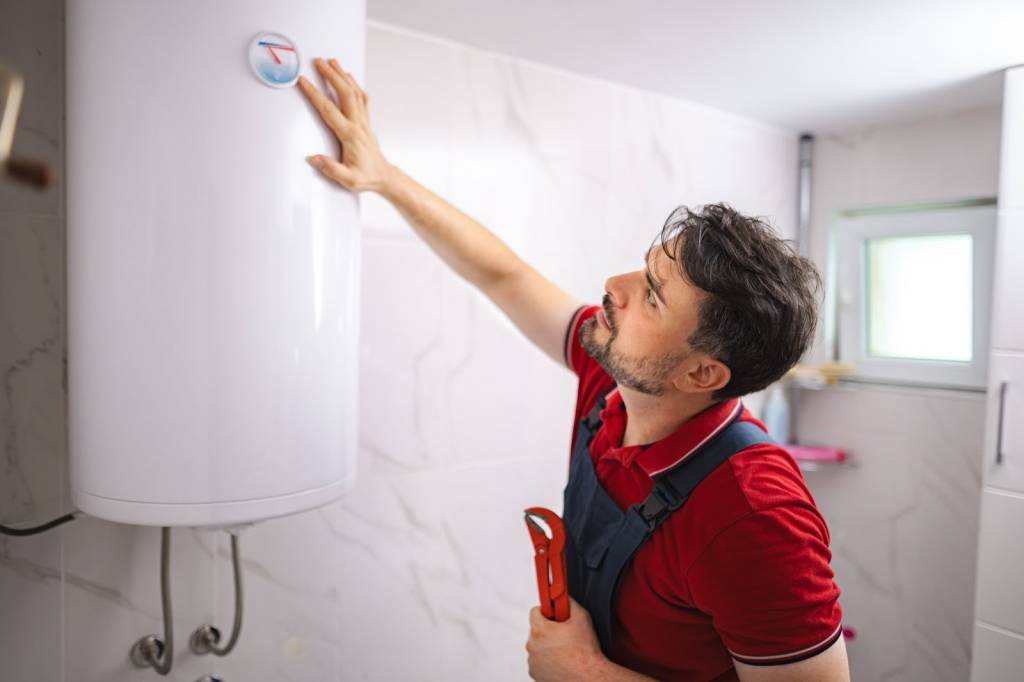
A damaged dip tube disrupts normal water flow inside the tank. This internal pipe directs incoming cold water to the bottom for heating. When it cracks or breaks, cold water mixes near the top, reducing the output temperature. You may notice inconsistent heat and cloudy water from fixtures. Replacing the dip tube improves efficiency and water clarity. This repair remains cost-effective compared to full system replacement.
Pilot Light and Ignition Failures
Pilot light and ignition failures stop gas water heaters from producing hot water. These issues usually involve the thermocouple, ignition module, or gas supply. Reliable ignition supports consistent heating and safe operation. Skilled troubleshooting restores function and prevents hazardous gas buildup.
Pilot Light Will Not Stay Lit
A pilot light that will not stay lit often indicates a faulty thermocouple. This safety sensor shuts off the gas when it does not detect a flame. If it weakens, it cuts off fuel flow even when the pilot briefly burns. Dirt or debris around the pilot assembly can also disrupt ignition. A licensed plumber cleans components and replaces worn sensors. Proper repair restores dependable heating and reduces safety concerns.
Electronic Ignition System Problems
Electronic ignition systems rely on sensors and control boards to spark the burner. Power surges, moisture, or worn wiring can disrupt this process. You may hear clicking sounds without flame ignition. Diagnostic testing identifies faulty modules or loose connections. Replacing defective components restores automatic startup. Modern systems often achieve higher energy efficiency than older pilot designs.
Low Hot Water Pressure Issues
Low hot water pressure usually results from mineral buildup or valve restrictions. This problem affects showers, sinks, and appliances that rely on a steady water flow. Gradual pressure loss often indicates internal pipe scaling. Identifying the restriction source restores normal performance.
Mineral Scale Restricting Flow
Mineral scale narrows the interior of pipes over time. Hard water deposits accumulate more quickly in hot-water lines due to higher temperatures. As the buildup thickens, the water flow slows noticeably at the fixtures. You may notice greater pressure from cold taps than from hot taps. Professional descaling treatments can remove moderate deposits. Severe narrowing may require partial pipe replacement for lasting improvement.
Partially Closed or Faulty Valves
Partially closed shutoff valves can reduce hot water flow. Homeowners sometimes adjust these valves during maintenance and forget to fully reopen them. A faulty pressure regulator can also restrict the heater’s supply. Checking valve positions provides a simple first step. A plumber can test pressure levels using specialized gauges. Correct adjustments restore balanced water flow throughout the home.
Aging Systems and Frequent Repairs
Aging water heaters often require repeated service calls. Most traditional tank models last eight to twelve years under normal use. As components wear out, repair frequency and energy costs rise. Evaluating long-term performance helps determine the best financial decision.
Repeated Component Failures
Repeated component failures indicate broader internal wear. If heating elements, thermostats, or valves fail within short intervals, the system is likely to decline overall. Repair expenses can accumulate quickly and approach the cost of replacement. Comparing projected repairs against a new unit provides practical clarity. Newer models offer improved insulation and higher efficiency ratings. Many homeowners choose replacement when breakdowns become frequent.
Rising Energy Bills and Reduced Efficiency
Rising energy bills often reveal declining heater efficiency. Sediment buildup and aging insulation force the system to run longer cycles. This extended runtime increases gas or electricity consumption. Reviewing monthly utility statements can highlight steady cost increases. Installing a modern, energy-efficient model lowers operating expenses over time. Upgrading also provides improved safety features and consistent performance.
Fix Water Heater Problems With Expert Repairs
Water heater problems rarely improve without proper repair. What starts as uneven temperatures or minor leaks can quickly grow into larger plumbing and energy issues. Professional technicians identify the root cause and correct the problem before damage spreads. Skilled service also protects key components such as heating elements, valves, and thermostats. Reliable water heater repairs restore steady hot water and reduce unnecessary strain on the system. Prompt attention keeps your home comfortable while helping the unit operate safely and efficiently.
Looking for more practical insights on home heating? Visit the Brancato’s Heating Inc. blog for expert advice, maintenance tips, and trusted guidance.