

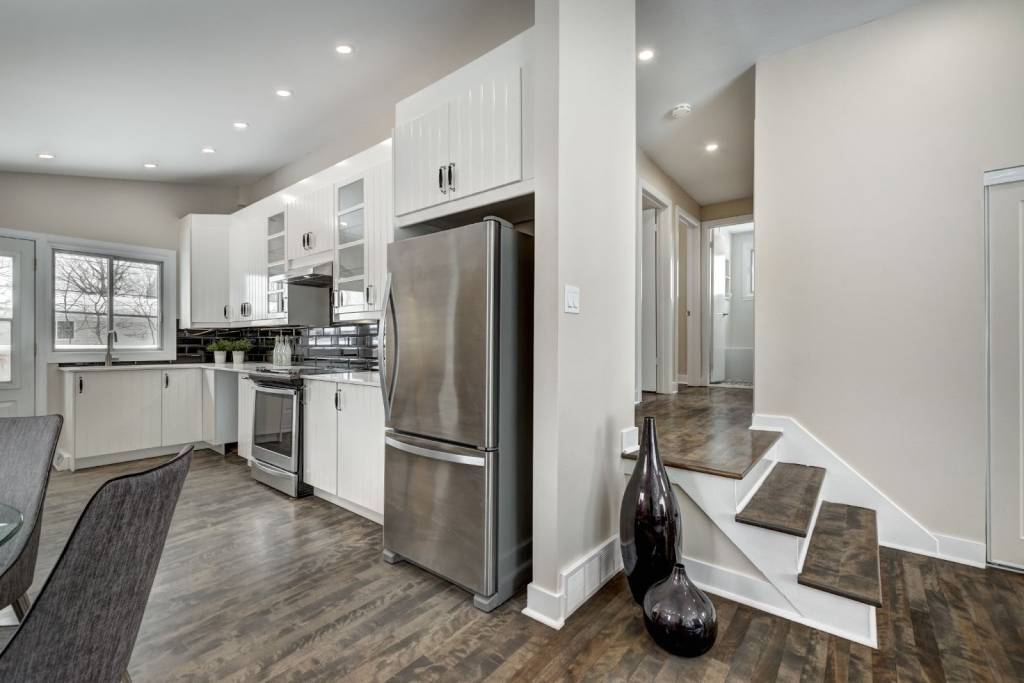
Homes reflect how people live, work, and recharge, yet many homes no longer align with evolving routines. As lifestyles shift, homeowners often notice inefficiencies that create daily frustration. Custom home renovations address these issues by reshaping spaces to support real habits rather than assumed ones. These projects focus on comfort, usability, and long-term value rather than surface-level change. For homeowners seeking lasting improvement, tailored renovation decisions offer clarity and control.
What Custom Home Renovations Are Designed to Achieve
Custom home renovations deliver personalized improvements based on how a household functions today. Unlike standardized updates, these renovations address layout issues, storage constraints, and outdated systems. Each design choice supports daily routines while accounting for future needs. This renovation approach prioritizes function, durability, and thoughtful planning.
Personalization Based on Actual Usage
Custom renovation planning begins with observing how homeowners move through their spaces each day. Kitchens adapt to cooking patterns rather than display trends. Storage solutions align with entry points, bedrooms, and work areas for better organization. Circulation improves when rooms support natural movement instead of forced pathways. This personalized design reduces daily inefficiencies that accumulate over time. Homeowners experience smoother routines and improved comfort as a result.
Making Better Use of Existing Space
Custom renovations improve livability without increasing a home’s footprint. Many houses have underused rooms or awkward layouts that limit comfort. Designers rework walls, doorways, and built-ins to improve flow and purpose. Each change serves a practical function tied to daily use. This space-focused approach controls costs while increasing usability. Homes feel more open and efficient without structural expansion.
Planning for Longevity Rather Than Short-Term Style
Custom renovations favor long-term relevance over fleeting design trends. Materials are chosen for durability, ease of maintenance, and consistent performance. Layouts anticipate aging, family growth, and changing work patterns. This foresight reduces the need for frequent remodeling. Homeowners avoid decisions that quickly feel outdated. Long-term planning supports stability and sustained value.
Financial Advantages of Custom Renovations
Custom home renovations strengthen financial outcomes through targeted improvements. These projects address core property elements instead of cosmetic fixes. Each investment supports efficiency, durability, and resale strength. This strategy balances initial cost with long-term return.
Lower Ongoing Costs Through Durable Materials
High-quality materials reduce repair frequency and the need for replacements. Custom renovations avoid finishes that wear quickly under daily use. Structural upgrades address recurring issues, including moisture and temperature fluctuations. This durability lowers long-term maintenance expenses. Homeowners experience fewer unexpected repairs. Predictable costs support responsible budgeting.
Energy Efficiency Tailored to the Home
Energy efficiency improves when renovations match a home’s layout and orientation. Custom insulation, window placement, and HVAC design increase performance. Each system works together rather than operating independently. This coordination reduces heating and cooling demands. Utility savings grow steadily over time. Efficient homes also attract value-focused buyers.
Controlled Spending Through Clear Renovation Priorities
Custom renovations allow homeowners to focus their spending where it matters most. Unnecessary upgrades are avoided through detailed planning. Budgets align with specific goals instead of assumptions. This financial clarity reduces stress during construction. Homeowners maintain confidence in their decisions. Projects progress with fewer cost surprises.
How Custom Renovations Strengthen Market Appeal
Custom home renovations increase buyer interest through practical design. Buyers favor homes that feel functional and thoughtfully maintained. Personalized improvements signal quality and care. This perception influences both demand and pricing.
Differentiation in Competitive Housing Markets
Custom renovations help homes stand apart from similar listings. Buyers notice layouts designed for real living rather than uniform templates. Functional kitchens, bathrooms, and storage leave strong impressions. This distinction encourages longer showings and serious interest. Homes attract buyers who value usability. Market visibility improves without excessive staging.
Appraisal Support Through Quality Improvements
Appraisers assess renovations based on execution and relevance. Custom projects often score well due to durable materials and system upgrades. Kitchens and bathrooms designed for daily use add consistent value. Energy-efficient features contribute measurable benefits. Documentation strengthens appraisal credibility. Higher valuations support refinancing and resale goals.
Faster Sales With Move-In-Ready Homes
Buyers prefer homes requiring minimal immediate work. Custom renovations reduce perceived effort for new owners. Updated systems and layouts build confidence. This readiness shortens time-to-market. Sellers gain stronger negotiating positions. Carrying costs decrease with quicker transactions.
Daily Comfort Gains From Custom Renovations
Custom renovations directly improve how homes feel and function each day. These changes focus on ease, accessibility, and intuitive use. Homeowners experience consistent comfort rather than temporary satisfaction. Daily life becomes more manageable.
Layout Adjustments That Reduce Everyday Friction
Poor layouts complicate basic household tasks. Custom renovations simplify movement between living areas. Storage aligns with activity zones for better organization. Lighting improvements enhance visibility and mood. This thoughtful design reduces daily stress. Routines become more efficient.
Privacy and Noise Control Improvements
Sound management supports comfort in busy households. Custom renovations separate quiet areas from active zones. Home offices receive acoustic consideration. Materials reduce noise transfer between rooms. This privacy improves focus and rest. Household balance improves naturally.
Consistent Comfort Across All Seasons
Temperature control influences daily comfort year-round. Custom renovations improve insulation and airflow. Windows balance natural light with thermal performance. HVAC systems operate more efficiently within optimized layouts. This consistency reduces manual adjustments. Homes remain comfortable year-round.
Adapting Homes to Life’s Changes
Custom renovations help homes evolve alongside their owners. Planning anticipates future needs rather than reacting later. This adaptability supports long-term ownership. Homes remain practical through changing circumstances.
Flexible Spaces for Growing Families
Family needs change as children grow or households expand. Custom renovations create adaptable rooms that serve multiple purposes. Storage expands to support additional belongings. Shared spaces remain functional despite heavier use. This flexibility reduces the need to relocate. Families maintain stability.
Designing for Aging in Place
Many homeowners plan to remain in their homes long term. Custom renovations improve mobility and safety. Wider doorways and step-free access support movement. Bathrooms feature supportive layouts. Kitchens adjust for ease of use. Independence remains achievable.
Supporting Remote and Hybrid Work
Remote work reshaped residential design priorities. Custom renovations create dedicated work zones. Lighting and sound control support productivity. Connectivity integrates without clutter. This design supports professional demands. Homes remain versatile.
Sustainability Through Thoughtful Renovation Planning
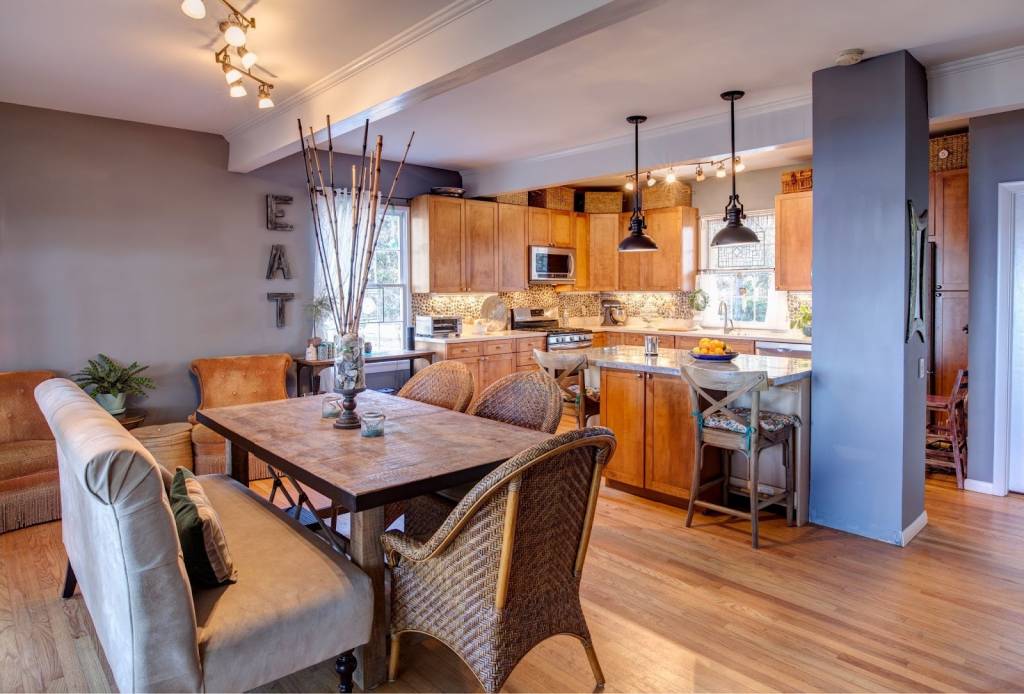
Sustainable renovation choices align with responsible ownership. Custom planning reduces waste and energy use. These decisions support both household efficiency and environmental awareness. Practical sustainability adds lasting value.
Durable Materials With Longer Lifecycles
Longevity reduces environmental impact over time. Custom renovations prioritize materials that withstand daily use. Flooring, cabinetry, and fixtures maintain performance. Fewer replacements reduce waste. Maintenance remains manageable. Value endures.
Reducing Waste Through Intentional Design
Careful planning limits unnecessary demolition. Existing structures are reused when possible. Custom designs work within current layouts. This approach reduces landfill contributions. Material use becomes more efficient. Responsible renovation practices benefit communities.
Energy-Conscious System Upgrades
Energy efficiency improves through system optimization. Insulation and ventilation upgrades reduce consumption. Renewable options integrate when appropriate. Lower energy use decreases utility costs. Environmental impact declines steadily. Efficient homes appeal to informed buyers.
The Role of Professionals in Custom Renovations
Professional guidance protects renovation investments. Skilled teams translate ideas into workable solutions. Experience prevents costly mistakes. Collaboration improves outcomes.
Clear Communication From Planning to Completion
Successful renovations depend on consistent communication. Professionals refine homeowner ideas into realistic plans. Expectations align through detailed discussions. Adjustments remain transparent throughout the process. This clarity builds trust. Projects stay on track.
Managing Budgets and Timelines Effectively
Experienced renovation professionals control schedules and costs. Accurate estimates guide spending decisions. Challenges receive timely solutions. Timelines adjust realistically when needed. This structure reduces homeowner stress. Progress remains steady.
Compliance With Building Codes and Standards
Renovations must meet local regulations. Professionals understand permitting and inspection requirements. Compliance protects homeowners from future issues. Quality standards remain consistent. Homes retain legal integrity. Long-term security improves.
Avoiding Over-Customization in Home Renovations
Over-customization occurs when renovation choices serve highly specific preferences while limiting flexibility. Custom home renovations should reflect personal needs without restricting future usability. When design decisions become too narrow, homes lose adaptability and broader appeal. This balance between personalization and restraint protects both daily comfort and long-term value.
When Personal Design Choices Limit Future Use
Highly specific features often solve short-term needs while creating long-term constraints. Built-ins sized for a single appliance or activity may limit future updates. Layouts designed around a single lifestyle stage may not adapt well as needs change. Overly themed designs can feel dated faster than expected. This type of customization reduces flexibility for future occupants. Homeowners benefit when designs support multiple uses over time.
The Impact of Over-Customization on Resale Appeal
Buyers look for homes that feel functional and adaptable. Extremely personalized layouts may require costly changes for new owners. Custom features that lack universal appeal can narrow the buyer pool. Appraisers may also struggle to assign value to niche design elements. This resale challenge does not negate customization but highlights the need for balance. Renovations that align with common usability trends retain stronger market appeal.
How Professionals Guide Balanced Custom Decisions
Experienced renovation professionals help homeowners distinguish between smart customization and excess. Design discussions prioritize functionality over aesthetics. Professionals recommend flexible solutions that meet current needs without locking in rigid layouts. Materials and layouts are chosen for durability and adaptability. This guidance reduces regret after completion. Balanced decisions protect both lifestyle satisfaction and property value.
Custom Home Renovations as a Long-Term Choice
Custom home renovations improve daily living and future security. These projects support comfort, adaptability, and value. Thoughtful planning strengthens ownership satisfaction. Investment extends beyond immediate results.
Building a Stronger Connection to Living Spaces
Personalized homes reflect individual priorities. Spaces support routines without compromise. Daily experiences improve through thoughtful design. Comfort supports well-being. Homes feel dependable. Satisfaction grows over time.
Avoiding Design Decisions Driven by Short Trends
Trend-based renovations lose relevance quickly. Custom planning focuses on lasting usefulness. Timeless choices age more gracefully. Maintenance remains manageable. Homes avoid dated appearances. Value remains consistent.
Design Better Living Through Custom Home Renovations
Designing better living starts with recognizing where your home no longer supports how you live today. Custom home renovations create an opportunity to replace compromise with intention through layouts, materials, and systems chosen for real use. When planning centers on clarity and function, every improvement works harder and lasts longer. The most effective renovations begin when homeowners align their space with their priorities and work with professionals who can translate those priorities into durable results.
For practical guidance on home comfort, efficiency, and renovation planning, visit the Brancato’s Heating & Cooling blog.