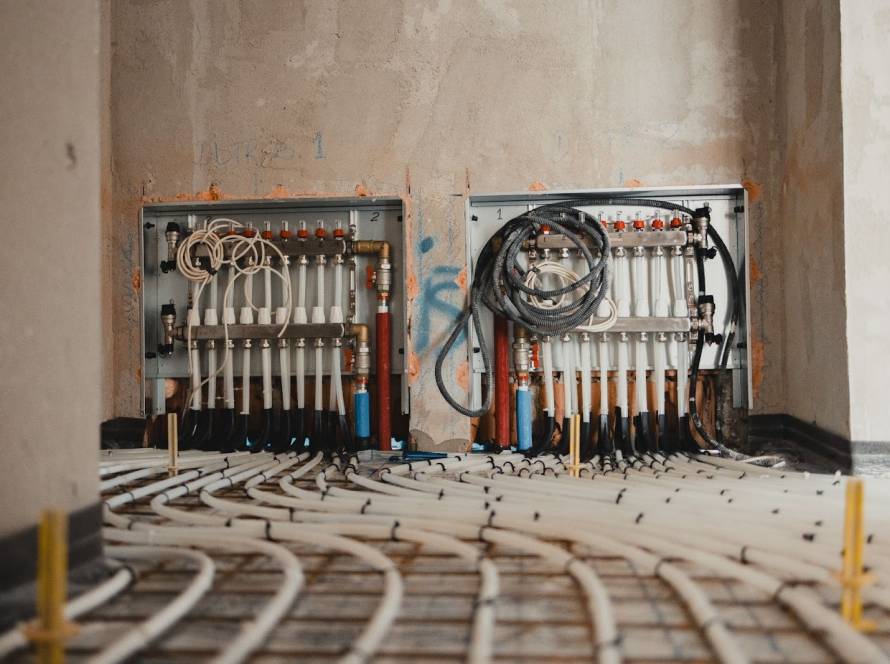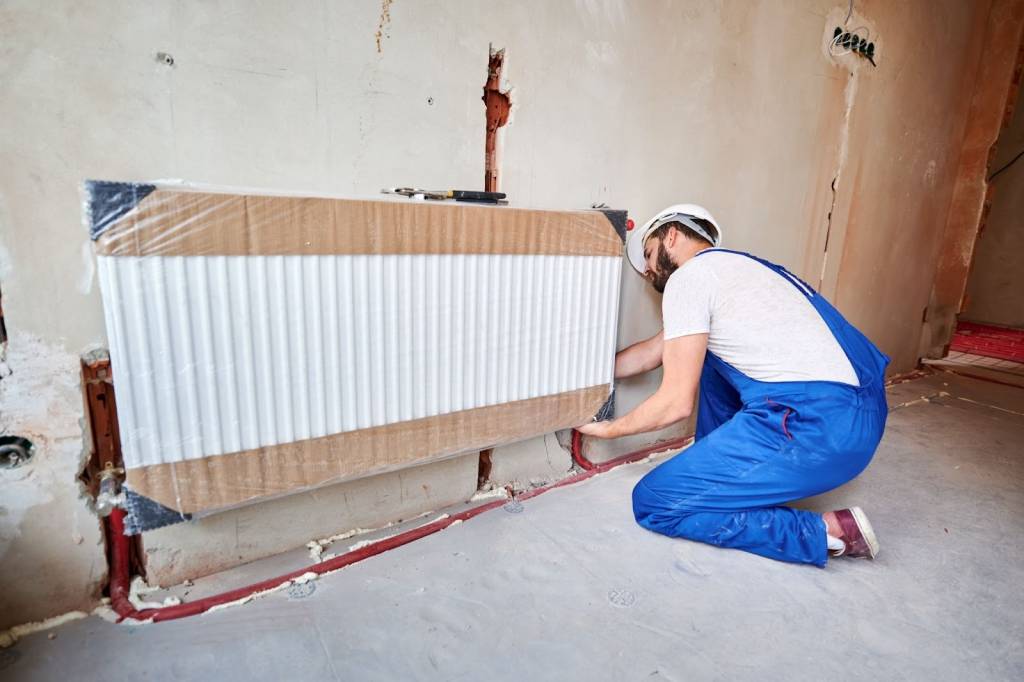
A heating installation appointment involves more than swapping an old unit for a new one. It’s a structured service visit that includes safety checks, mechanical work, and homeowner guidance. Most customers expect a simple job but aren’t sure what happens during the appointment. Knowing what to expect makes the process smoother and less stressful from start to finish.
Heating Installation Prep Starts Before Arrival
Heating installation preparation begins the moment your appointment is scheduled. Confirming the details early prevents miscommunication, missed steps, or delays. This part of the process helps both you and the technician save time. It also ensures your space is safe and ready before tools come out.
Confirming Appointment Time and Installation Scope
The installation process starts with a confirmation call or text from the HVAC company. The team reviews appointment time, system type, and custom installation needs. The technician confirms these details if you’ve ordered add-ons like zoning systems or smart thermostats. Homeowners must also clear access points, secure pets, and move items near the work area. This call helps avoid delays and confirms everyone is on the same page. Preparing your home beforehand keeps the appointment moving quickly and safely.
Assessing Access and Clearing the Work Area
Before installation begins, the crew checks for clear paths to all required areas. These include the furnace room, outdoor unit space, breaker panel, and vents. They also assess for obstacles that could slow the process, such as tight staircases or storage in mechanical rooms. Removing barriers helps prevent equipment damage or injury. Homeowners may be asked to clear furniture or secure pets if that wasn’t done earlier. This step helps reduce interruptions during the service.
Verifying the System Layout and Home Requirements
Once inside, the technician compares the installation plan to your home’s layout. Before work begins, they confirm duct sizes, gas lines, and electrical capacity. If your home has changed since the estimate, like adding insulation or new rooms, they may need to update the layout. Some areas, especially older homes, may require upgrades for code compliance. The team explains any adjustments needed before moving forward. That way, your system runs efficiently and meets performance standards from day one.
What Happens During Heating System Installation
Heating installation follows a precise order to meet safety codes and ensure performance. The crew starts by removing the old unit and installing the new one step by step. Each stage involves electrical work, gas connections, ventilation alignment, and system testing. When handled professionally, the job takes an average of one full day.
Safely Removing the Old Furnace or Heating Unit
Technicians first shut off power and gas to disconnect the old unit safely to prevent electric shock, fire hazards, or gas leaks during removal. Older heating systems may be bulky or built into tight spaces, requiring careful dismantling. Some older units also contain outdated materials that must be disposed of by regulation. After removal, the crew clears debris to prep the space for the new unit. The old furnace is hauled away for proper disposal or recycling.
Placing and Installing the New Heating Equipment
The new system is moved into place and leveled for stability. Technicians connect ducts, gas lines, drains, and electrical components one at a time. If your setup includes humidifiers or zoning, these are installed in sequence. The thermostat is wired or synced if it’s an innovative model. The system is assembled based on the manufacturer’s specifications and local codes. This precise process ensures optimal performance and safety.
Running Tests and Tuning Performance
After setup, the system is turned on and tested under load. To confirm regular operation, technicians measure temperature, airflow, ignition, and cycle times. They fine-tune the components if anything underperforms, like weak airflow or ignition delays. The technician also checks for gas leaks, tests pressure levels, and inspects wiring connections to confirm everything is secure. The goal is to catch problems before they affect your comfort. Once tuned, the system is ready for regular use.
Double-Checking Code Compliance and Safety
Every installation includes a safety review to meet local codes. That involves verifying gas shut-offs, venting direction, clearances, and drain routing. Smoke detectors or carbon monoxide alarms may also be tested if required. The technician reviews each point to prevent issues during inspections or future service calls. Homes with past code violations are flagged for corrections. Meeting code also helps protect your home insurance eligibility.
Post-Installation Steps You Should Expect
Once the unit runs properly, the technician walks you through how to use it. These final steps ensure you’re confident managing your new heating system. You also get maintenance tips and warranty paperwork. The technician will only leave once everything is clean and confirmed.
Walkthrough of System Features and Controls
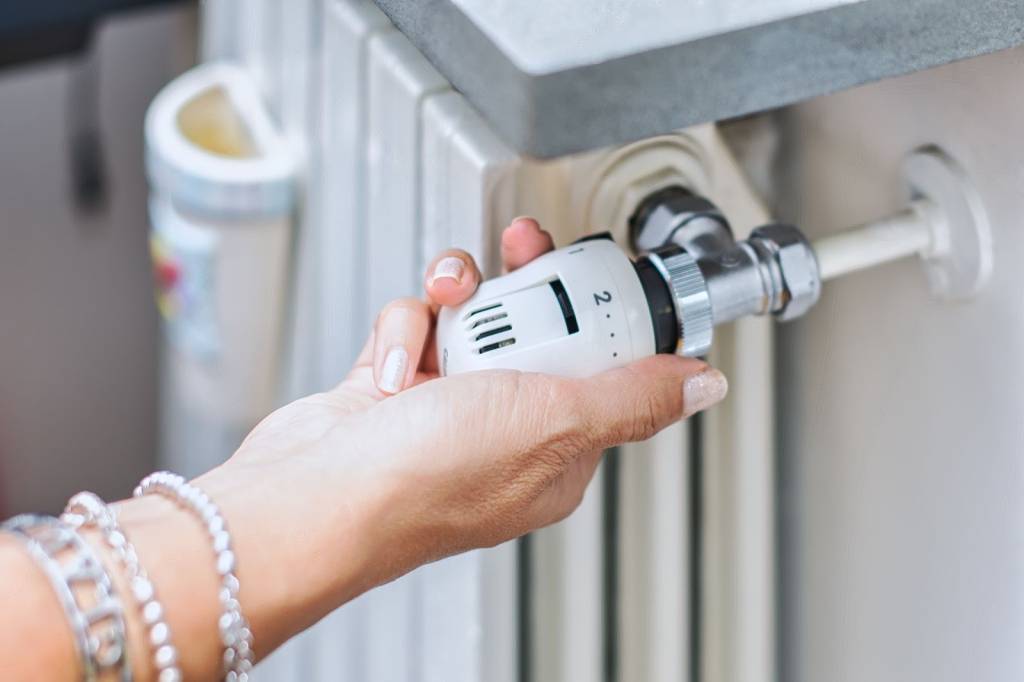
The technician explains how your new system operates day-to-day. You’ll learn to change filters, program thermostat schedules, and activate energy-saving modes tailored to your comfort. If your system has mobile access, it helps sync the thermostat to your phone. Homeowners can also ask about seasonal settings or temperature balancing. Most people find this walkthrough more helpful than reading a manual. It gives you hands-on knowledge for handling minor adjustments.
Cleaning Up the Work Area and Removing Waste
Technicians clean the space before leaving, removing all packaging and leftover materials. Drop cloths, old duct parts, or insulation scraps are bagged and removed. If anything was moved, like furniture or storage bins, it’s usually placed back with your approval. The area is vacuumed or swept to restore it to its original state. A professional install includes leaving your home as neat as they found it. Cleanups are part of the job, not an afterthought.
Final Review and Job Completion Checklist
Before wrapping up, the technician reviews a completed task checklist with you. The final handoff confirms the work matches what was promised. Any issues found at this point are corrected immediately before departure. You also receive warranty details, owner manuals, and any rebate forms. Some companies send a digital receipt and confirmation email as backup. This final handoff proves the job was done according to the agreement. If anything looks off, it’s fixed before the crew leaves.
What Happens After Heating Installation Day
Installing a heating system is just one part of the process. Afterward, homeowners must complete a few final tasks to protect their investment. These include warranty registration, follow-up maintenance, and checking for available rebates. Handling these steps promptly keeps your coverage valid and improves system longevity.
Registering Warranties and Saving Documentation
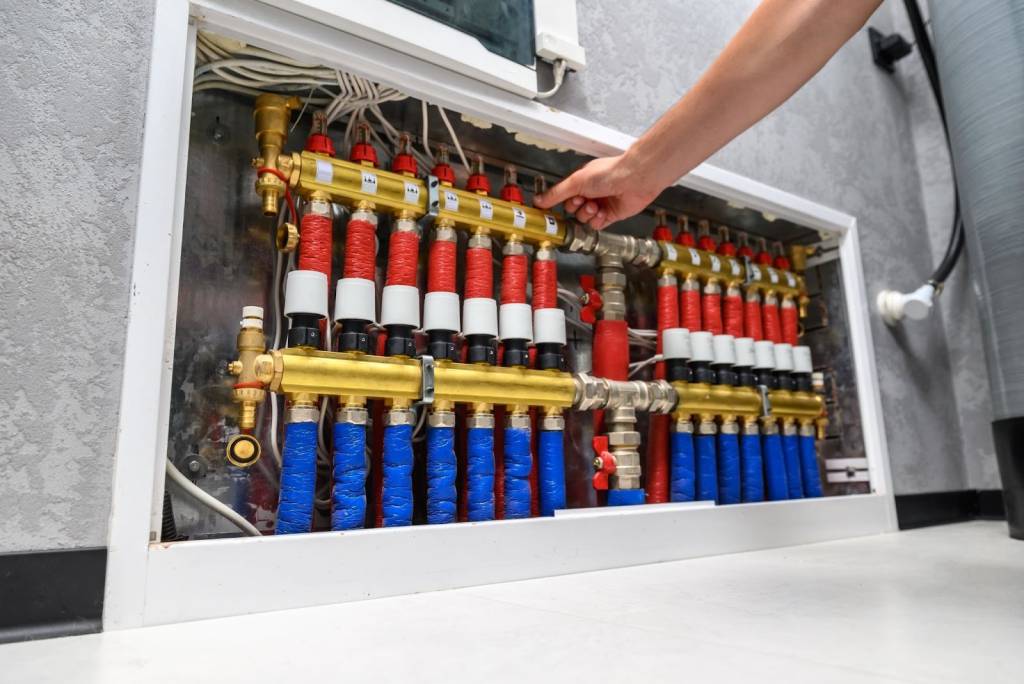
Manufacturers require that your system be registered within a limited timeframe, usually 30 to 60 days after installation. Registration can extend your warranty from parts-only to full coverage. Most contractors assist with this or provide a link to register online. Keep your receipt, installation documents, and serial numbers in a folder. These are necessary if you ever need service or warranty support.
Checking for Available Tax Credits or Rebates
Depending on your system and location, you may qualify for heating rebates. These incentives come from utility companies, government programs, or the equipment manufacturer. Energy-efficient systems often include rebates for using less fuel or electricity. The technician can guide you on applying, or you can find forms online. Submitting paperwork quickly can save you money on the total project cost. Just make sure to check the expiration dates for those incentives.
Scheduling Routine Maintenance for Your System
Your system needs regular inspections to run efficiently over time. Technicians recommend setting a service visit six to twelve months after installation. It includes filter changes, airflow checks, and burner cleaning. Maintenance visits help catch wear and tear early and protect your warranty, which may require proof of upkeep. Booking a service in advance helps avoid last-minute breakdowns in peak seasons.
Why Professional Heating Installation Is Worth It
Hiring a licensed heating contractor brings more than just convenience. It ensures compliance with safety codes and gets the most out of your new system. Professional installation minimizes future repairs, improves comfort, and saves on energy bills. Choosing experience over shortcuts is an investment in your peace of mind.
Proper Installation Means Better Performance
Professionals install systems using tested steps that match your home’s size and airflow needs. It helps avoid hot-and-cold spots, inefficient fuel use, or system short-cycling. Proper alignment and calibration also reduce strain on components. When done right, the unit runs quietly, heats evenly, and lasts longer. Poor installs often need early repairs, making them more costly in the long run. A well-installed system starts saving you money from day one.
Code Compliance Keeps You Protected
HVAC systems must meet strict local building codes. Licensed contractors handle the permits and schedule any required inspections. If you sell your home, this step avoids fines, insurance issues, or resale delays. They also know how to vent fumes safely and test pressure levels. DIY or unlicensed installs often miss these critical steps. Professional work protects your home, family, and investment.
Trusted Companies Offer Long-Term Support
Top heating contractors don’t vanish once the unit is in. They offer service agreements, emergency repairs, and seasonal tune-ups. Some even include free checkups within the first year. Having that support means reliable help is just a call away if anything goes wrong. It also strengthens your ongoing relationship with the service. A trusted partner is as valuable as the system itself.
Lock In Heating Installation Before Demand Spikes
Delays cost more than time—they can leave your home uncomfortable when you need heat most. Acting while schedules are open gives you choice, flexibility, and peace of mind. A professional heating installation sets the foundation for safe, efficient comfort for years. If you’re thinking about it, now is the moment to move before the rush locks you out.
Stay ahead of the seasons and smarter than your energy bill. Explore more expert tips on the Brancato’s Heating & Cooling blog.