

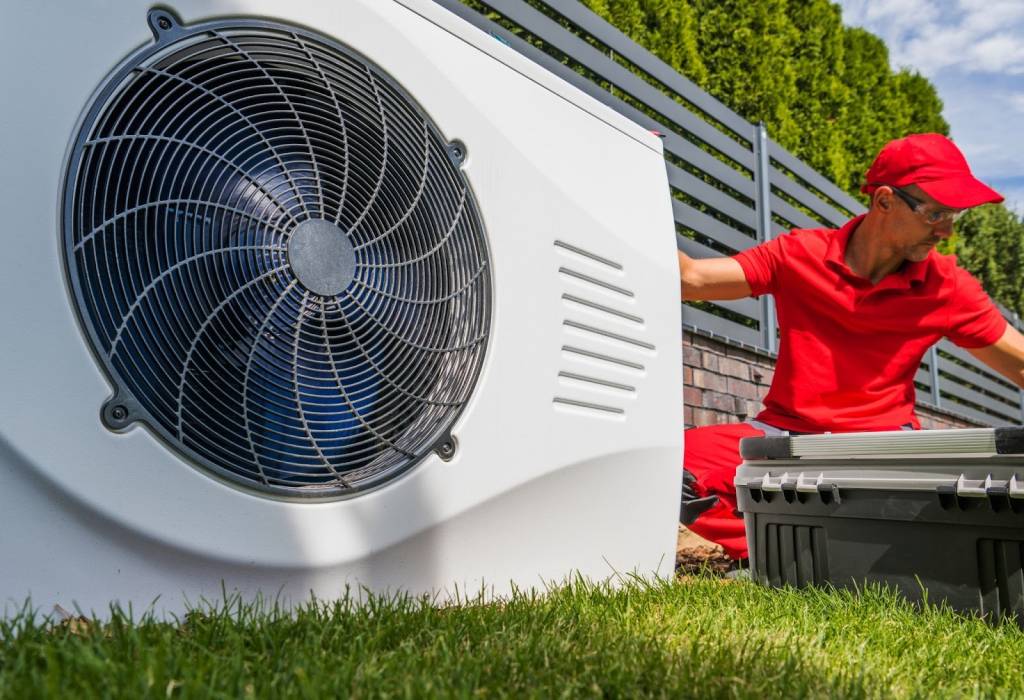
When people first hear the term “heat pump,” it can sound confusing. The name suggests that it only generates heat, but in reality, a heat pump is a highly versatile system that can both heat and cool a home. At its core, a heat pump moves heat rather than creating it. This is why it is considered one of the most energy-efficient climate control systems available today. Instead of burning fuel to produce heat, it transfers existing heat from one place to another, saving homeowners money while keeping indoor environments comfortable.
How Does a Heat Pump Work?
The principle behind a heat pump is simple yet powerful. It uses refrigerant, coils, and a compressor to extract heat energy from the air or ground outside and move it indoors during colder months. In summer, the process is reversed—heat is pulled from inside the home and expelled outdoors, leaving cooler air behind. This dual functionality makes heat pumps a year-round solution for home comfort.
Heat Transfer Made Simple
Think of it like a refrigerator operating in reverse. Just as a fridge removes heat from inside the appliance and releases it into the surrounding environment, a heat pump removes heat from one environment and transfers it elsewhere. This movement of heat is far less energy-intensive than producing it through combustion.
The Role of Refrigerant and Coils
The refrigerant inside the system absorbs and releases heat as it changes state from liquid to gas and back again. Coils facilitate this transfer, while the compressor ensures that the refrigerant continues to circulate effectively.
Types of Heat Pumps Explained
Not all heat pumps are the same. Several variations exist to meet different climate needs, installation requirements, and homeowner preferences.
Air-Source Heat Pumps
Air-source heat pumps are the most common. They pull heat directly from the outdoor air and are generally easier and more affordable to install. Modern air-source models can even perform efficiently in colder climates where older systems once struggled.
Ground-Source (Geothermal) Heat Pumps
Ground-source or geothermal heat pumps tap into the steady underground temperatures to transfer heat. Though they require more upfront installation cost and space for ground loops, they are incredibly efficient and last longer than most alternatives.
Ductless Mini-Split Heat Pumps
Mini-splits are ideal for homes without ductwork. Each indoor unit can control the temperature of a single room or zone, providing homeowners with flexibility and improved energy efficiency without requiring major renovations.
What Are the Efficiency Advantages of a Heat Pump?
One of the biggest draws of a heat pump is efficiency. Traditional furnaces generate heat by burning gas or oil, which consumes a significant amount of energy. A heat pump, by contrast, can deliver up to three times more heating energy than the electricity it consumes. This translates to reduced energy bills and a lower carbon footprint.
What is the Environmental Impact of a Heat pump?
Heat pumps are often hailed as an eco-friendly alternative to traditional HVAC systems. Since they rely on electricity and do not directly burn fossil fuels, they reduce greenhouse gas emissions. As more regions transition to renewable electricity sources like wind and solar, heat pumps become an even greener option for heating and cooling.
Comfort and Versatility Benefits of Heat Pumps
Beyond efficiency, homeowners appreciate the consistent comfort a heat pump provides. Unlike furnaces, which can cycle on and off, creating uneven temperatures, heat pumps maintain steady warmth or cooling. They can also dehumidify more effectively in summer, leading to better indoor air quality. Additionally, one system handles both heating and cooling, which eliminates the need for separate HVAC units.
What are the Installation Considerations for a Heat Pump?
Installing a heat pump is not a one-size-fits-all process. Factors like home size, insulation, ductwork condition, and regional climate all play a role in determining the right system.
Sizing the System Properly
Oversized or undersized units can cause inefficiency, higher energy bills, and premature wear. A professional HVAC technician conducts a load calculation to determine the best capacity for your home.
Indoor and Outdoor Components
Heat pumps typically have both an indoor air handler and an outdoor unit. The placement of these components is crucial for maximizing airflow, minimizing noise, and ensuring easy maintenance.
Noise and Placement Considerations for What is a Heat Pump?
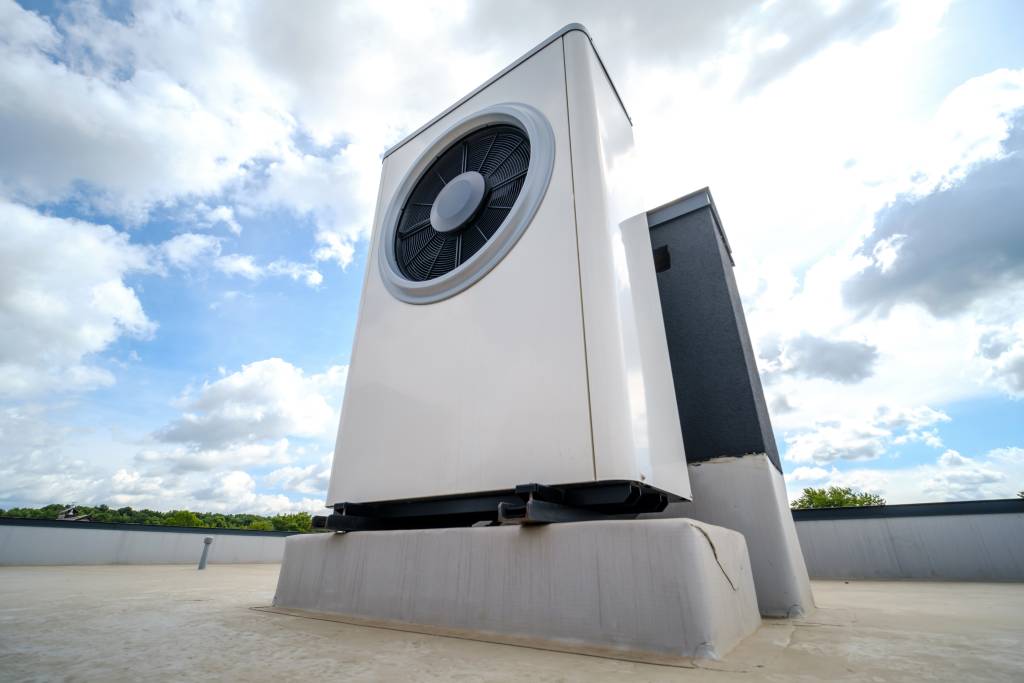
Even efficient systems can be disruptive if placed poorly. Outdoor units should sit on a level, vibration-damping pad with precise airflow on all sides and nothing blocking the top discharge. Avoid locations that echo (tight courtyard corners) or reflect sound toward bedrooms or neighboring windows. Indoors, ensure the air handler isn’t boxed into a closet without return air or service clearance; inadequate return paths increase noise and reduce efficiency. Discuss decibel ratings for both indoor and outdoor components, consider nighttime “quiet” modes, and route line sets thoughtfully to avoid transmitting vibration through framing. Good placement doesn’t just reduce sound—it improves serviceability, extends equipment life, and helps maintain published efficiency by keeping airflow unobstructed in all seasons.
What are Heat Pump Costs Like?
Heat pumps can be more expensive upfront compared to furnaces or air conditioners, especially geothermal systems. However, the long-term savings often outweigh the initial investment. Many homeowners experience a reduction in their monthly utility bills. In some regions, government rebates and tax incentives are available to help offset these costs.
Common Misconceptions About Heat Pumps
Despite their growing popularity, myths about heat pumps still circulate. These misunderstandings often prevent homeowners from realizing how practical and efficient the systems truly are.
They Don’t Work in Cold Climates
Modern heat pumps are engineered to operate efficiently even in freezing temperatures, often with backup systems for extreme conditions.
They Only Provide Heat
As explained earlier, heat pumps are dual-purpose systems that also provide cooling. They are essentially an all-in-one solution.
They Have Complicated Maintenance
Heat pump maintenance is comparable to that of a standard HVAC unit—change filters, schedule annual inspections, and keep outdoor units clear of debris.
What is a Heat Pump? Incentives, Rebates, and Financing
Many regions actively encourage heat pump adoption, which can significantly reduce your upfront costs. From federal tax credits to state programs and utility rebates, stacking incentives can dramatically reduce the cost of installation. Low-interest financing and on-bill repayment options further smooth cash flow, letting energy savings help offset monthly payments. Always verify eligibility windows, approved equipment lists, and required paperwork—then time your purchase to align with rebate cycles so you don’t leave money on the table.
Federal and State Programs
Look for federal tax credits that refund a portion of eligible project costs at tax time, plus state or municipal grants that pay out sooner. Each program sets rules for system efficiency (like SEER2/HSPF2) and installer qualifications, so confirm your model and contractor both qualify before you buy.
Utility Rebates and On-Bill Options
Utilities often offer per-ton or per-unit rebates when you install high-efficiency heat pumps. Some providers provide on-bill financing, where repayment is included in your power bill, making upgrades more accessible without requiring a significant upfront cash investment.
What are Some Heat Pump Maintenance Tips?
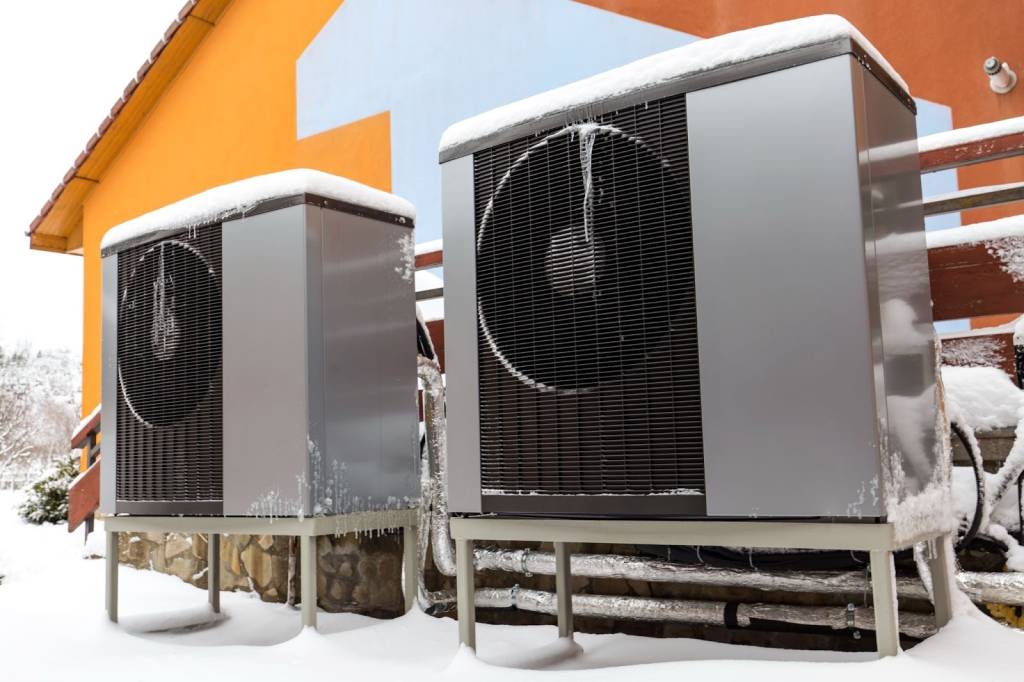
Proper upkeep ensures your system runs smoothly and lasts longer. Regularly cleaning or replacing air filters, checking for refrigerant leaks, and scheduling professional servicing can extend its lifespan. Homeowners should also clear leaves, snow, or dirt from the outdoor unit to prevent airflow obstructions.
What is a Heat Pump? Cold-Climate Performance and Backup Heat
Modern cold-climate heat pumps use variable-speed compressors and advanced refrigerants to deliver reliable heating well below freezing, but performance still depends on sizing, home insulation, and the unit’s rated low-temperature capacity. In frigid snaps, auxiliary heat (electric resistance or an existing furnace) can bridge the gap, ensuring comfort without stressing the compressor. Smart thermostat logic helps stage backup heat only when needed, protecting efficiency while keeping rooms warm and consistent.
Selecting Cold-Climate Models
Seek units tested for sub-zero operation with robust low-ambient capacity and published coefficients of performance (COP) at 5°F or lower. The right defrost strategy and outdoor coil design help sustain output when frost builds.
Staging Auxiliary Heat Wisely
Set thermostat lockouts and temperature thresholds so backup heat engages only during true dips in capacity. This prevents unnecessary electric strip use and keeps operating costs predictable.
Heat Pumps vs. Traditional Systems
Choosing between a heat pump and other HVAC systems depends on your priorities. While furnaces may excel at rapid heating, they require additional systems for cooling. Central air conditioners only cool, leaving you reliant on another system for warmth. A heat pump combines both functions, often reducing overall costs and simplifying maintenance.
What is the Future of Heat Pump Technology?
The future of heat pumps is bright. Advances in refrigerants, inverter technology, and smart controls are making them even more efficient and climate-friendly. Governments and environmental organizations are also pushing heat pump adoption as part of broader decarbonization strategies, meaning they will likely become even more common in homes and businesses worldwide.
Lifespan and Warranty Expectations for What is a Heat Pump?
A well-maintained air-source heat pump typically lasts 12–15 years, while geothermal systems can exceed 20 thanks to protected ground loops and stable operating conditions. Lifespan hinges on the quality of installation, correct sizing, load matching via inverter technology, and routine maintenance, such as coil cleaning and filter changes. Read warranties closely: many brands offer 10-year parts coverage when registered promptly, but labor coverage varies and may require an extended plan from the installer. Keep service records to preserve warranty validity, and choose contractors who stand behind workmanship with multi-year labor guarantees. When a system reaches late life, compare the repair cost and expected remaining years to the efficiency gains of a new variable-speed model—today’s units often deliver lower operating costs that accelerate payback on replacement.
Is a Heat Pump Right for Your Home?
Deciding whether a heat pump is the right choice depends on your location, budget, and personal comfort goals. For many households, the combination of efficiency, sustainability, and year-round comfort makes it an excellent investment. Consulting with an HVAC professional can help you evaluate options and select the best system for your needs.
Visit our Brancato’s Heating and Cooling blog to learn more about heat pumps and other parts of your HVAC system.