

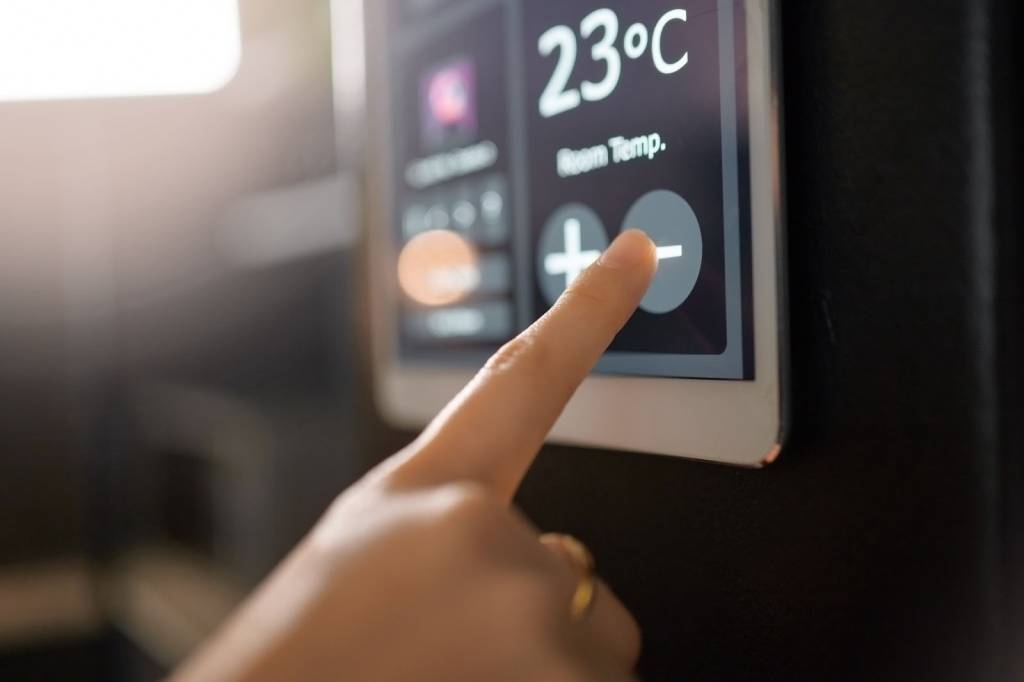
Homeowners are facing higher energy bills than ever before. Families want comfort but don’t want to waste money or power. Traditional thermostats often create this conflict by running when they shouldn’t. A more innovative way to balance comfort, cost, and convenience is now within reach. Smart thermostats make everyday living easier while lowering expenses and supporting a greener lifestyle.
What Smart Thermostats Mean for Homeowners
Smart thermostats are intelligent devices that manage heating and cooling more efficiently than older models. They use sensors, Wi-Fi, and learning algorithms to make precise adjustments. It allows them to reduce waste while maintaining a comfortable home. For homeowners, they represent a direct upgrade that pays off in both convenience and savings.
How Smart Thermostat Technology Works
Smart thermostats combine motion sensors, weather monitoring, and adaptive programming. These features allow them to predict and adjust temperature needs automatically. They utilize Wi-Fi to gather weather forecasts and respond in real-time. Over weeks, they learn schedules and create optimized patterns. This balance keeps the home cozy while cutting energy costs.
Installation and Compatibility With HVAC Systems
Modern smart thermostats fit most HVAC systems. Many brands include guided installation through a mobile app. Users can typically set them up within an hour without special tools. For complex systems, professional installation is available to guarantee correct wiring. Compatibility also extends to intelligent assistants and home platforms.
Why Smart Thermostats Are Worth Installing
Smart thermostats change how households manage heating and cooling. They cut wasted energy, lower costs, and make comfort easier to maintain. These devices also support eco-friendly living without sacrificing convenience. Their growing popularity reflects how practical and reliable they have become for modern homes.
Automated Heating and Cooling Boost Efficiency
Smart thermostats directly reduce energy consumption by adjusting heating and cooling based on need. They eliminate unnecessary usage by tracking occupancy and outdoor conditions, creating consistent savings month after month. As energy rates rise, efficiency becomes a stronger reason to install these devices.
Minimizing Waste
Heating and cooling systems waste energy when left unchecked. Smart thermostats prevent this through occupancy sensors and activity tracking. They detect when people leave and automatically lower the heating or cooling. Adjustments continue throughout the day to match real-life behavior. These consistent tweaks add up to meaningful energy reductions.
Lowering Utility Bills
Using less energy directly translates to lower monthly bills. Homeowners typically see savings between ten and 20 percent annually. Some households report hundreds of dollars saved after installation. Over time, these savings cover the initial investment. With energy costs continuing to rise, the long-term financial benefit becomes clear.
Weather-Based and Seasonal Adjustments
Smart thermostats connect to live weather forecasts to fine-tune performance. For example, they lower the heating demand on sunny days. During heatwaves, they reduce cooling strain while keeping rooms livable. Seasonal changes are handled without the need for manual resets. These automatic shifts reduce wasted energy across the year.
Adaptive Temperature Control Boosts Comfort
Comfort is another core advantage of installing smart thermostats. They adjust temperature settings in ways that feel natural to each household. Families enjoy personalized schedules, remote access, and smoother climate control, which removes the hassle of manual thermostat use.
Personalized Climate Settings for Families
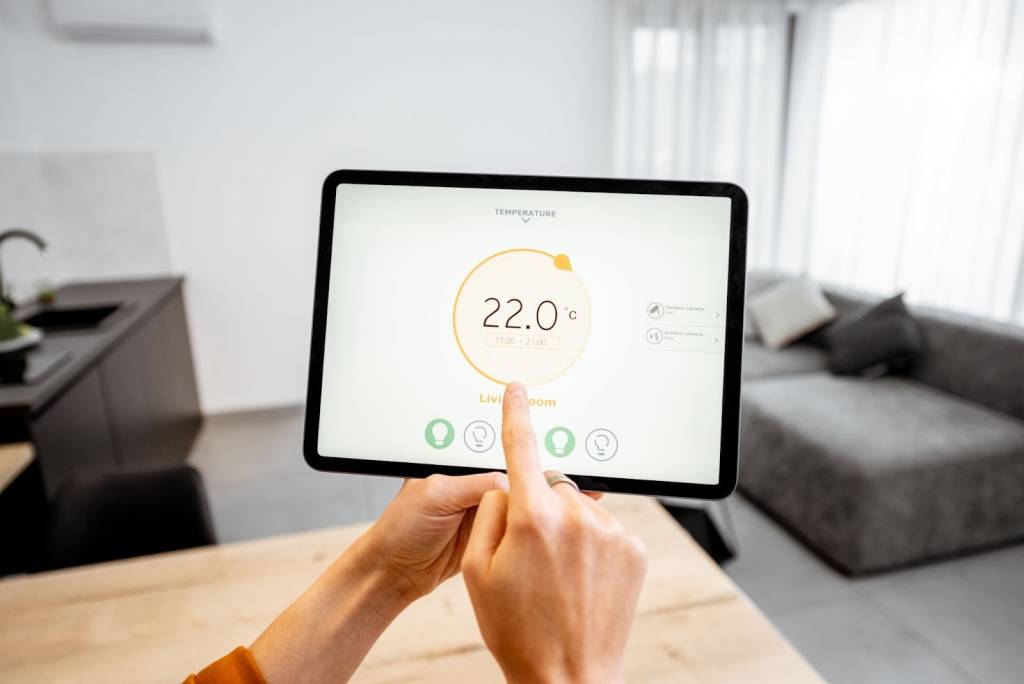
Smart thermostats can store multiple profiles for different users. One person may prefer a cooler bedroom, while another likes a warmer office. Multi-zone systems enable separate temperature settings across different areas, reducing disputes over household comfort. Personalized climate settings also make spaces more enjoyable.
Remote Access Using Mobile Apps
Remote control through apps allows users to adjust temperatures from anywhere. Travelers can cool their house before returning home, and parents can lower the system after kids forget to turn it off. These adjustments create both convenience and energy savings. Remote control is a feature that modern families quickly come to rely on.
Learning Routines for Daily Comfort
Over time, smart thermostats learn when households wake, leave, or return. They pre-adjust temperatures so comfort is consistent without waste. For example, mornings may feel warmer while afternoons stay cooler. This learning ability eliminates the need to constantly reset the thermostat, making comfort management smooth and nearly invisible.
Intelligent Temperature Systems Improve Convenience
Smart thermostats save time and reduce effort by offering automation and simple controls. Homeowners no longer need to adjust dials or remember schedules constantly. Instead, the devices handle changes behind the scenes. Additional features like voice control and system alerts add more convenience to daily living.
Voice Control With Smart Assistants
Most models are compatible with voice assistants like Google Assistant, Siri, or Alexa. A simple voice command can instantly change the temperature. Voice control is beneficial during cooking, cleaning, or when your hands are full. It also assists older adults or people with limited mobility. The experience feels seamless and improves daily comfort management.
System Alerts and Maintenance Notifications
Smart thermostats notify homeowners about critical maintenance needs. Alerts may include reminders for air filter replacement or irregular system performance. Notifications help users address minor issues before they grow expensive. Preventive care extends the lifespan of HVAC systems and prevents breakdowns. This proactive feature adds reliability and peace of mind.
Environmental Benefits of Smart Thermostats
Smart thermostats support environmental goals by lowering power demand. Less energy consumption reduces greenhouse gas emissions from power plants. Widespread use could significantly cut national energy waste. They also pair well with renewable energy sources to create more sustainable homes.
Reduced Household Carbon Emissions
Every thermostat adjustment that saves energy also lowers emissions. Over time, this adds up to measurable environmental impact. Families can feel confident that daily comfort is not harming the planet as much. The reduction may initially seem small, but it grows with consistent use. Collectively, millions of homes could help improve air quality.
Better Integration With Renewable Energy
Smart thermostats can shift demand to match renewable supply availability. Homes with solar panels benefit from using power when the panels are most productive. Even without solar, thermostats adjust during times when green energy is abundant. This synchronization reduces strain on the grid during peak times. Supporting renewables creates both savings and environmental value.
Long-Term Benefits of Smart Thermostats
Smart thermostats continue to add value beyond immediate savings. They enhance property appeal, adapt to new technologies, and withstand updates. For homeowners, this means investing once and reaping benefits for years. Long-term advantages extend to financial, lifestyle, and environmental aspects.
Increased Home Resale Value
Energy-efficient homes with innovative technology attract more buyers. Buyers are willing to pay more for lower future bills. A smart thermostat becomes a selling feature during property listings. It shows the home is modern and well-maintained, boosting market appeal with relatively little investment.
Prepared for Future Smart Home Technology
Smart thermostats receive software updates that improve their features. They can also integrate with newer smart home devices over time. That means the device will stay useful even as technology evolves. Homeowners avoid obsolescence with systems that grow more capable each year. This adaptability makes them a stable long-term choice.
Clearing Misconceptions About Smart Thermostats
Some homeowners hesitate because of myths about smart thermostats. They may be too complex, unreliable, or not worth the cost. In reality, most concerns come from outdated information. A closer look shows these devices are practical and easy to manage.
Addressing Concerns About Complexity
Smart thermostats are designed for simplicity, not confusion. Their interfaces are clear, and setup guides guide users through every step. Apps provide visuals and instructions that reduce the learning curve. Even children and elderly family members can use them efficiently. Complexity is rarely an issue once the system is installed.
Balancing Cost and Return on Investment
Smart thermostats cost more upfront than basic models. However, most families recover costs through savings within two years. Incentives and rebates may also reduce purchase costs. Over a decade, the savings far outweigh the initial expense. For homeowners, the return is practical and measurable.
Reliability and Data Security Measures
Concerns about failures or privacy breaches are often overstated. Most smart thermostats continue working during temporary outages. Data is protected through encrypted connections and security updates. Manufacturers also share clear policies on information usage. These measures build trust and support widespread adoption.
Why Do You Need to Install Smart Thermostats?
The case for installing smart thermostats has never been stronger. Rising energy bills and the advancement of smart technology make them a timely choice. Waiting only delays the benefits of savings and sustainability. Acting soon helps households take control of costs and comfort.
Energy Prices Drive the Need for Efficiency
Households continue to face higher monthly energy bills. Smart thermostats counter these increases by reducing unnecessary usage. Savings grow each month as energy costs climb further. Families who install now gain more cumulative benefits. Avoiding delays helps keep costs under control sooner.
Smart Home Ecosystems Are Growing
Smart home devices are becoming increasingly integrated and working together more seamlessly. Thermostats integrate easily with security, lighting, and appliances, creating an intuitive connected home experience. Expanding competition has also made devices more affordable. The current market offers excellent options for households of all sizes.
Step Into Smarter Living With Smart Thermostats
Smart thermostats are more than just gadgets; they transform how households live, save energy, and care for the environment. Each day without one means higher bills and wasted energy slipping through unnoticed. This upgrade brings comfort, efficiency, and a future-ready home into reach. The sooner the switch occurs, the sooner those benefits begin to accumulate. With professional HVAC service, installation, and support, the process becomes stress-free and straightforward.
Stay ahead of rising energy costs with practical advice and innovative solutions. Visit the Brancato’s Heating & Cooling blog for more insights.