

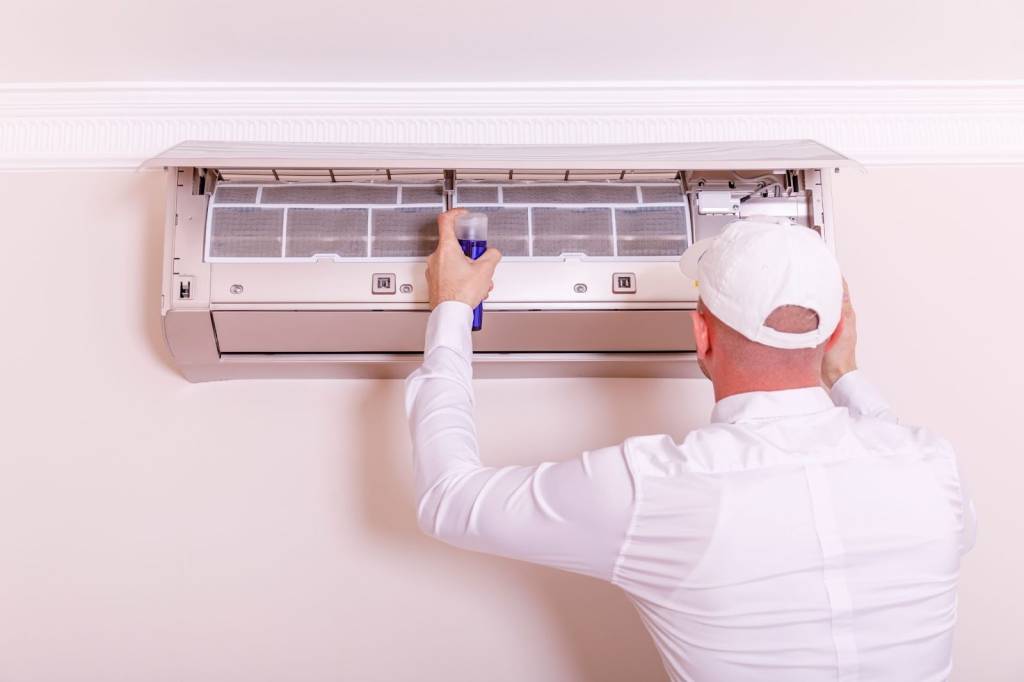
Air conditioning system maintenance determines how reliably a home stays comfortable during demanding weather. Many homeowners only notice maintenance gaps after airflow weakens or energy bills rise. That delayed response often leads to avoidable stress, inconvenience, and higher ownership costs. Routine service keeps cooling performance steady while protecting expensive internal components. Clear guidance on air conditioning system maintenance frequency helps homeowners plan confidently rather than react to problems.
AC Maintenance and Long-Term Home Value
Air conditioning systems influence property comfort, ownership costs, and buyer confidence. Regular maintenance protects this household investment by reducing accelerated wear on internal components. Well-maintained equipment lasts longer, naturally delaying replacement planning. Service records demonstrate responsible ownership during inspections and negotiations. Buyers and inspectors favor systems with documented care histories. This documentation strengthens resale positioning and reduces repair-related concessions.
What Air Conditioning System Maintenance Includes
Air conditioning system maintenance refers to scheduled professional HVAC service that keeps cooling equipment operating within manufacturer specifications. This service addresses mechanical, electrical, and airflow-related issues before they affect comfort. Homeowners often confuse maintenance with surface cleaning, which overlooks deeper system needs. Understanding what maintenance includes clarifies why professional scheduling matters.
Tasks Performed During AC Maintenance Visits
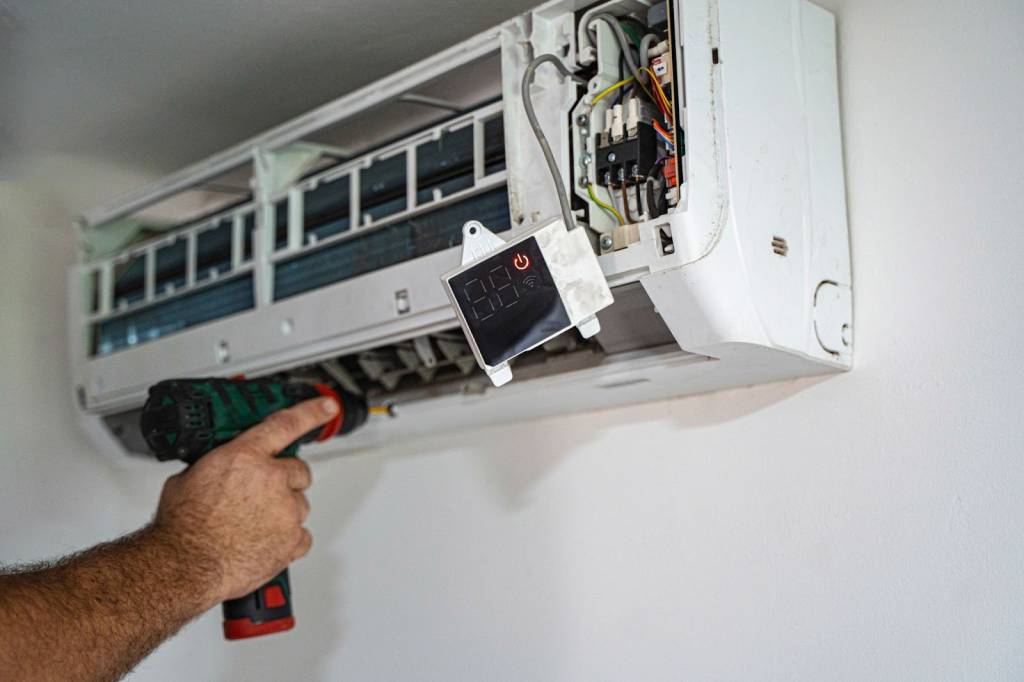
Air conditioning maintenance visits focus on system stability and performance accuracy. Technicians inspect electrical connections because loose wiring causes inconsistent operation. They clean the evaporator and condenser coils to restore heat transfer efficiency. Refrigerant levels are tested to prevent strain on the compressor. Drain lines are cleared to reduce moisture buildup and indoor humidity problems. Each step works together to support consistent cooling output.
Why These Maintenance Tasks Matter
Each maintenance task addresses a specific stress point within the system. Electrical inspections prevent intermittent shutdowns during peak demand. Coil cleaning improves efficiency without increasing energy use. Balanced refrigerant levels protect compressor longevity. Clear drainage reduces concerns about indoor air quality. These combined actions stabilize long-term system performance.
Recommended AC Maintenance Frequency for Homes
Most residential air conditioning systems perform best with scheduled service based on usage patterns. Maintenance frequency depends on climate, system age, and daily demand. A fixed calendar schedule does not fit every household equally. Homeowners benefit from aligning service timing with real operating conditions.
Annual Air Conditioning Maintenance
Annual air conditioning system maintenance is suitable for homes with moderate cooling use. This schedule allows technicians to correct wear before it progresses. Spring appointments prepare systems for extended runtime periods. Annual service also supports compliance with the manufacturer’s warranty. Homeowners often experience steadier airflow after yearly maintenance. Predictable scheduling reduces surprise repair costs.
Semiannual AC Maintenance for Heavy Use
Semiannual maintenance benefits homes with long cooling seasons or high occupancy. Systems in warm regions operate for more months each year. Extended runtime increases stress on electrical and mechanical parts. Fall service corrects wear accumulated during peak use. This approach stabilizes performance across seasonal transitions. Homeowners often notice fewer comfort fluctuations.
Maintenance Frequency for Older AC Systems
Older air conditioning systems require closer monitoring to remain dependable. Internal components wear unevenly over time. Aging compressors face increased strain during long cycles. More frequent service helps detect declining performance early. Adjusted maintenance intervals reduce unexpected outages. This approach extends usable system life.
Factors That Change Maintenance Timing
Several conditions influence how often air conditioning maintenance should occur. Climate, equipment age, and installation quality shape system stress levels. Ignoring these factors usually leads to inefficient scheduling. Tailored maintenance plans reflect how systems actually operate.
Climate and Environmental Conditions
Hot and humid climates demand sustained cooling output. High moisture levels increase strain on coils and drainage systems. Coastal environments expose equipment to corrosion risks. Dust-heavy regions clog filters more quickly. Climate conditions accelerate wear differently across systems. Maintenance schedules should reflect local exposure patterns.
Installation Quality and System Design
Installation quality affects airflow balance and operating pressure. Poor duct design increases runtime demands. Improper refrigerant charge accelerates component wear. Maintenance identifies installation-related inefficiencies over time. Corrective adjustments restore balance. This evaluation improves overall system stability.
Home Construction and Insulation Levels
Home construction influences how hard cooling systems must work. Poor insulation allows heat intrusion during warm periods. Older windows increase cooling demand indoors. Air leaks force longer operating cycles. Maintenance helps identify strain caused by building inefficiencies. This awareness supports better scheduling decisions.
Benefits of Consistent AC System Maintenance
Consistent air conditioning system maintenance supports comfort, efficiency, and long-term cost control. Regular service prevents minor issues from escalating. Homeowners experience fewer disruptions during high-demand periods. Maintenance delivers practical, measurable benefits over time.
Energy Efficiency and Stable Utility Costs
Clean components allow systems to reach target temperatures faster. Balanced refrigerant levels reduce unnecessary runtime. Efficient airflow lowers electrical demand. Maintenance helps stabilize monthly energy usage. Homeowners often see fewer cost fluctuations. Efficiency improvements compound gradually.
Reduced Repairs and Equipment Stress
Maintenance identifies loose parts before damage spreads. Electrical testing prevents power-related failures. Lubrication reduces friction across moving components. Early correction limits strain on the compressor. Fewer breakdowns occur during extreme heat. Repair planning becomes more predictable.
Improved Comfort and Airflow Balance
Consistent maintenance supports even temperature distribution. Balanced airflow prevents hot and cold spots. Systems cycle more smoothly across rooms. Humidity control improves indoor comfort levels. Thermostat response becomes more reliable. Comfort remains steady during long cooling periods.
Better Indoor Air Quality Support
Clean coils and drains reduce airborne contaminants. Proper airflow limits dust accumulation indoors. Moisture control discourages mold growth. Filters perform better within maintained systems. Maintenance supports healthier indoor conditions. This benefit matters for daily living comfort.
Signs Maintenance is Necessary Before Schedule
Even well-maintained systems sometimes require earlier attention. Performance changes often precede failure. Homeowners who recognize these signs gain control. Timely service restores balance quickly.
Cooling Performance Changes Inside the Home
Uneven cooling often signals airflow restrictions. Longer cooling cycles indicate efficiency loss. Weak vent airflow suggests internal buildup. Temperature recovery slows after thermostat adjustments. These symptoms rarely resolve independently. Maintenance corrects underlying causes.
Noises, Odors, and Cost Increases
Grinding sounds indicate mechanical wear. Buzzing often points to electrical issues. Musty odors suggest moisture problems. Rising energy bills reflect efficiency loss. These warning signs deserve prompt evaluation. Maintenance prevents escalation.
Short Cycling and System Restarts
Short cycling occurs when systems shut off prematurely. This behavior increases electrical strain. Cooling performance becomes inconsistent. Internal sensors may detect an imbalance. Maintenance identifies triggering conditions. Corrective service restores regular cycles.
Homeowner Tasks Versus Professional Maintenance
Homeowners contribute to system care through simple habits. Professional maintenance handles technical adjustments. Both roles support long-term performance. Clear boundaries prevent costly mistakes.
Safe Maintenance Steps Homeowners Can Take
Filter replacement improves airflow consistency. Outdoor units require clear space for ventilation. Vents should remain unobstructed indoors. Thermostat settings deserve periodic review. Visual inspections reveal obvious issues. These actions support professional service.
Limits of Do-It-Yourself Maintenance
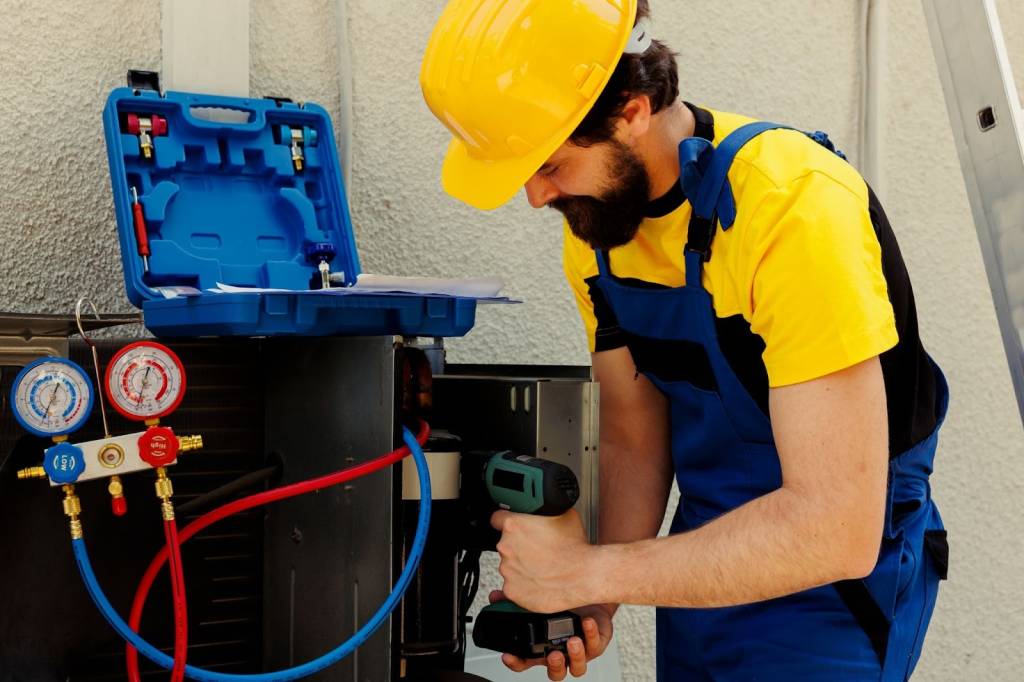
Electrical components require specialized tools and training. Refrigerant systems are subject to strict regulations, as improper adjustments can cause imbalance. DIY repairs often worsen hidden problems, but professional diagnostics prevent missteps. Expertise protects system integrity.
Value of Certified HVAC Technicians
Certified technicians follow manufacturer service protocols. Training covers evolving system technologies. Diagnostic accuracy improves repair outcomes. Technicians document service history properly. Professional oversight reduces risk. This service level supports reliability.
Maintenance Timing and System Load Behavior
Air conditioning systems respond differently depending on how often and how intensely they operate. Load behavior refers to how long a system runs, how frequently it cycles, and how complex components work during each cycle. Many homeowners focus on temperature settings but overlook runtime patterns. Maintenance scheduling becomes more effective when aligned with actual system load.
Why Short Cycling Changes Maintenance Needs
Short cycling occurs when systems turn on and off repeatedly within short periods. This operating pattern increases electrical stress and component fatigue. Compressors and contactors experience higher wear under these conditions. Maintenance helps identify airflow or thermostat issues that trigger short cycling. Correcting this behavior stabilizes system operation. This adjustment often improves comfort consistency.
Long Runtime Systems Require Different Oversight
Some homes experience extended cooling cycles during warm months. Long runtime systems face continuous thermal and mechanical stress. Coil cleanliness and refrigerant balance become more critical in these cases. Maintenance checks detect efficiency loss before overheating occurs. Technicians adjust airflow to reduce strain. This oversight supports sustained performance.
How Maintenance Impacts System Calibration Over Time
Air conditioning systems slowly drift out of calibration as parts age. Sensors, motors, and controls lose precision over time during daily operation. This drift often goes unnoticed until comfort declines. Maintenance restores alignment between components.
Sensor Accuracy and Thermostat Communication
Temperature sensors guide system decisions throughout the day. Over time, sensors may misread conditions. This inaccuracy causes inefficient cycling and uneven cooling. Maintenance includes verifying sensor performance. Technicians recalibrate or replace faulty readings. Accurate sensors support stable indoor comfort.
Airflow Balance and Pressure Adjustments
Airflow imbalances develop as filters clog and ducts shift. Pressure changes increase the workload on the blower motor. Maintenance identifies airflow restrictions through testing. Adjustments restore balanced circulation. Proper airflow reduces stress on major components. System efficiency improves as a result.
Maintenance as a Risk Management Strategy
Air conditioning system maintenance also serves as a risk control measure. Unexpected failures often occur during peak demand periods. These failures disrupt comfort and increase repair costs. Maintenance reduces exposure to these risks.
Peak Demand Failures and Their Consequences
Cooling systems are under the most stress during heat extremes. Component failure during these periods limits service availability. Repair costs often rise due to urgency. Maintenance lowers the likelihood of peak failures, as early detection allows planned corrections. This approach reduces disruption.
Electrical Risks and Preventive Inspections
Electrical faults pose safety concerns beyond performance issues. Loose connections generate heat and instability. Maintenance includes tightening and testing electrical components. This inspection reduces fire and shutdown risks. Stable electrical systems improve reliability. Safety benefits extend beyond comfort.
Manage Cooling Reliability With AC Maintenance
Air conditioning system maintenance gives homeowners control over their comfort, rather than leaving it to chance. Systems that receive regular attention respond more predictably during demanding conditions. Minor adjustments made at the right time prevent stress that shortens equipment life. Reliability grows from consistency, not last-minute fixes. Scheduling maintenance with purpose keeps cooling performance steady and household routines uninterrupted.
Make confident decisions about your home’s comfort. Explore expert guidance on the Brancato’s Heating & Cooling blog.