

Cold seasons often expose weaknesses in home heating that remain unnoticed during milder months. Uneven room temperatures, constant system noise, and dry indoor air create daily discomfort for many households. Hydronic heating systems address these issues by using water to deliver steady, balanced warmth throughout the home. This approach creates an indoor environment that feels calmer and more consistent during prolonged heating periods. Homeowners seeking dependable comfort often find that water-based heating better aligns with long-term living expectations.
What Hydronic Heating Systems Are
Hydronic heating systems warm homes by circulating heated water through a closed network of pipes. This system definition relies on water as the heat-transfer medium rather than on air movement. Warm water flows from a central heat source to various heat emitters installed throughout the house. Homeowners benefit from smoother temperature control and fewer sudden changes in indoor comfort.
How Hydronic Heating Works
Hydronic heating works by circulating heated water through a boiler and piping. That warm water transfers heat into rooms before returning to the boiler for reheating. The system continues this cycle until the thermostat reaches the desired setting. This system operation avoids sharp bursts of heat common in forced-air systems. Homeowners notice fewer drafts and reduced noise during operation. The steady circulation ensures consistent comfort throughout the living spaces.
Why Water is Used Instead of Air
Water carries heat more effectively than air under residential conditions. This characteristic allows heat to move evenly and remain available longer. Rooms stay warm even after the system pauses briefly. This behavior reduces frequent cycling that strains equipment. Homeowners experience fewer temperature swings throughout the day. The result feels more stable during extended heating periods.
Core Parts of Hydronic Heating Systems
Hydronic heating systems rely on coordinated components that work together continuously. Each component supports heating, circulation, or heat release. Understanding these elements helps homeowners evaluate the system’s quality. Proper integration supports efficient and reliable operation.
Boilers Used in Hydronic Heating
A boiler heats water using gas, electricity, oil, or alternative fuels. This boiler component serves as the central heat source for the entire system. Modern boilers adjust output based on heating demand. This control improves efficiency during changing weather conditions. Homeowners experience quieter operation and reduced fuel use. Proper sizing prevents uneven heating and mechanical stress.
Pumps and Valves That Control Flow
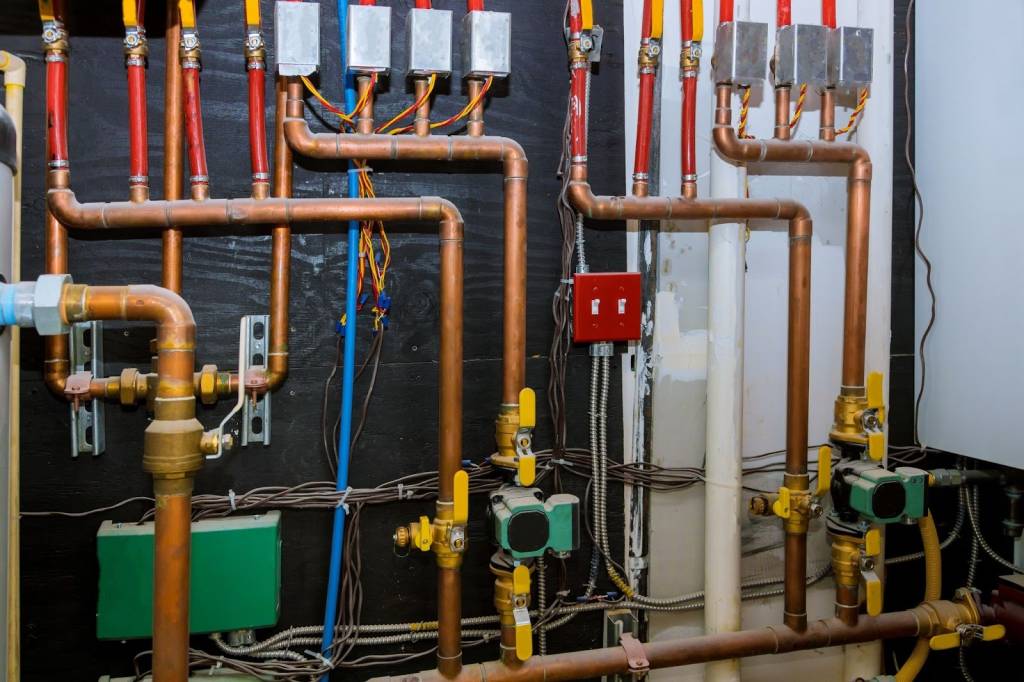
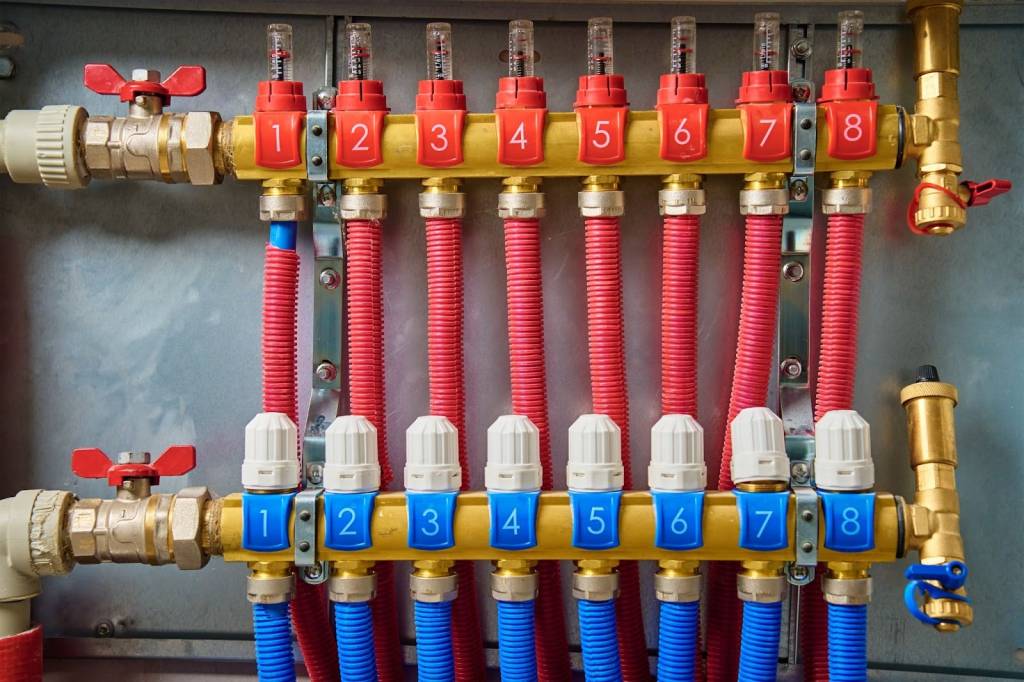
Circulation pumps move heated water through the piping network. These pumps maintain a steady flow without relying on gravity. Valves direct water to specific zones within the home. Zoning allows rooms to receive heat based on actual use. Homeowners gain better control over comfort levels. This design supports efficient energy use.
Piping Networks That Deliver Heat
Pipes carry heated water from the boiler to heat emitters. Modern piping materials resist corrosion and thermal stress. Insulated pipes reduce heat loss during circulation. Proper installation minimizes leak risks. Homeowners rarely notice piping once installed. Durable materials support long system life.
How Hydronic Heating Delivers Warmth
Hydronic heating systems distribute warmth through several proven methods. Each method suits different home designs and comfort preferences. Homeowners may combine approaches within one system. This flexibility supports customized heating solutions.
Radiant Floor Heating Systems
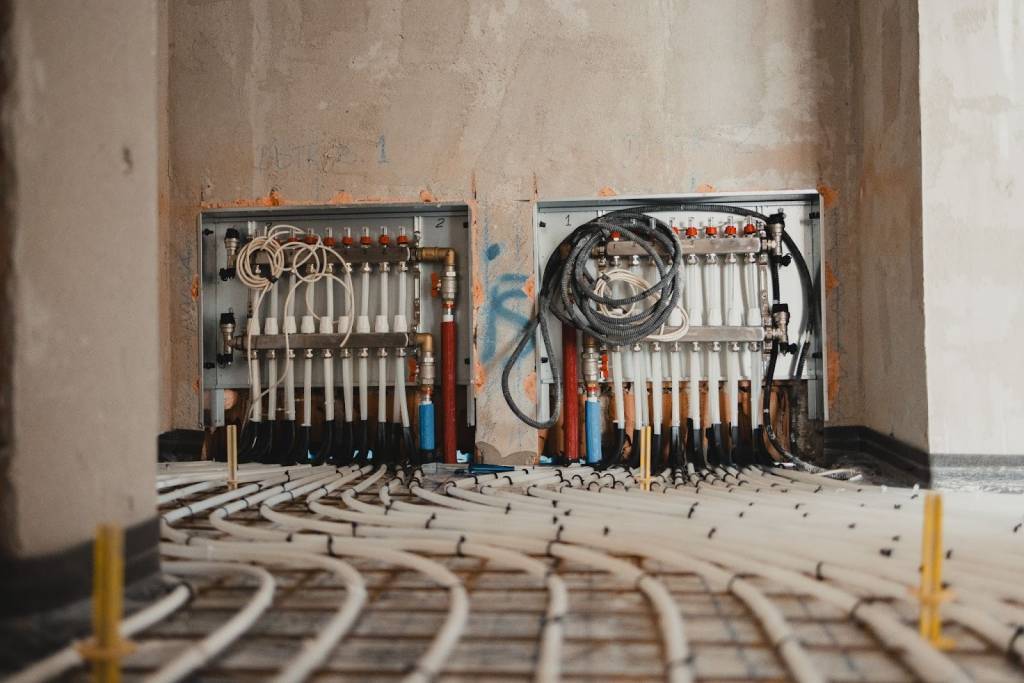
Radiant floor heating delivers warmth from beneath finished floors. Heated water flows through tubing embedded below the surface. Heat spreads evenly upward across the room. This method eliminates cold spots near vents. Homeowners enjoy warm floors during winter mornings. The concealed design preserves interior aesthetics.
Radiators and Panel Heating Units
Radiators release heat through warmed metal surfaces. Modern radiator designs appear compact and efficient. These units provide steady warmth without air movement. Wall placement allows flexible furniture arrangements. Radiators respond quickly to thermostat changes. Homeowners value their durability and reliability.
Hydronic Baseboard Heating Units
Baseboard heaters distribute heat along exterior walls. Heated water circulates through low-profile enclosures. Warm air rises naturally into the room. This approach suits retrofit installations well. Homeowners appreciate the subtle appearance. Consistent output supports balanced room temperatures.
Thermal Inertia in Hydronic Heating Systems
Thermal inertia describes how materials store and release heat over time. Hydronic heating systems rely on this principle because water retains warmth efficiently. This behavior creates gradual temperature changes rather than sudden shifts. Homeowners often experience comfort even when the system cycles less often.
Why Hydronic Heat Feels Warmer at Lower Settings
Hydronic heat feels warmer because it radiates heat gradually. Warm floors and walls radiate heat evenly into rooms. This thermal behavior reduces the need for higher thermostat settings. Rooms remain comfortable without sharp temperature drops. Homeowners often lower the thermostat settings without noticing the difference in temperature. This experience explains the softer feel of water-based heating.
How Thermal Mass Stabilizes Indoor Temperatures
Floors, walls, and furnishings absorb heat during operation. That stored warmth releases slowly after the system pauses. Indoor temperatures remain steady for extended periods. This stability reduces constant reheating cycles. Homes feel comfortable during mornings and evenings. Thermal mass supports predictable daily comfort.
Effects on Daily Routines and Sleep Comfort
Stable temperatures improve overnight comfort noticeably. Bedrooms avoid sudden cold periods during downtime. Morning routines feel easier without chilled surfaces. Evening warmth lasts longer after heating cycles end. This consistency reduces frequent thermostat adjustments. Homeowners experience smoother comfort throughout the day.
Response Time and Heat Anticipation in Hydronic Systems
Hydronic heating systems respond to temperature changes more gradually than forced-air systems. This response time indicates how long it takes for water-based heat to warm surfaces before it affects the room air. The system prioritizes steady comfort rather than rapid bursts of warmth. Homeowners benefit most when they understand how timing influences daily comfort.
Why Hydronic Heat Warms Spaces More Slowly
Hydronic systems heat water and the surrounding surfaces first. Floors, walls, and furnishings absorb warmth before air temperature rises. This process takes longer than blowing hot air through vents. The slower response prevents sudden temperature spikes. Rooms warm evenly rather than unevenly. Homeowners experience smoother comfort once the system stabilizes.
How Heat Anticipation Affects Thermostat Use
Thermostat changes affect hydronic systems gradually. Raising settings suddenly does not produce immediate warmth. The system continues to heat at a controlled rate. Frequent adjustments disrupt temperature balance. Consistent settings support better comfort results. Homeowners often feel warmer once they stop chasing quick changes.
Adjusting Daily Habits for Better Comfort
Hydronic heating rewards predictable routines. Morning setbacks should begin earlier than with forced air. Evening comfort lasts longer without constant input. Bedrooms stay comfortable overnight with minimal adjustment. This behavior reduces unnecessary system cycling. Homeowners gain comfort by working with the system’s rhythm.
Energy Efficiency of Hydronic Heating Systems
Hydronic heating systems manage energy differently than forced-air systems. Water retains heat longer than air. This efficiency reduces frequent cycling and heat loss. Homeowners often notice steadier energy usage patterns.
Reduced Heat Loss Without Ductwork
Forced-air systems lose heat through ducts. Hydronic systems circulate water directly to rooms. Pipes retain heat more effectively than air ducts. This design supports consistent indoor temperatures. Homeowners experience comfort without increased energy use. Reduced heat loss improves system performance.
Boiler Efficiency and Fuel Flexibility
Modern boilers operate at high efficiency levels. Many models adjust output in response to real-time demand. Fuel options include gas, electric, oil, and renewable sources. This flexibility supports regional availability. Homeowners choose systems that are compatible with local utilities. Efficient operation supports manageable heating costs.
Long-Term Energy Use Patterns
Hydronic systems run longer cycles at lower intensity. This operation reduces sudden energy spikes. Homes maintain warmth without constant reheating. Seasonal usage becomes more predictable. Homeowners often see stable billing trends. Consistency supports long-term planning.
Comfort and Indoor Air Quality Benefits
Hydronic heating affects more than temperature control. Reduced airflow influences noise and air quality. These changes improve daily living conditions. Homeowners often notice improvements quickly.
Cleaner Indoor Air Without Air Circulation
Hydronic systems do not blow air through ducts. This design limits dust and allergen movement. Allergens remain settled rather than airborne. Homes feel fresher during heating seasons. Pet hair circulation decreases. Many homeowners report easier breathing indoors.
Quiet and Even Heating Performance
Boilers and pumps operate quietly during heating cycles. The absence of blowers reduces background noise. Rooms remain calm throughout the day. Nighttime heating does not disturb sleep. Homeowners value this consistency. Quiet operation enhances overall comfort.
Balanced Indoor Humidity Levels
Hydronic heating prevents excessive indoor air drying. Moisture levels remain more stable during winter. Skin and respiratory comfort improve. Wood furniture experiences less stress. Indoor plants remain healthier. Homes feel more livable during colder months.
Hydronic Heating and Long-Term Building Durability
Hydronic heating systems influence how homes age over time. Stable temperatures reduce environmental stress on building materials. This consistency protects structural and interior elements. Homeowners often overlook this advantage.
Reduced Expansion Stress on Materials
Rapid heating causes materials to expand quickly. Hydronic systems warm spaces gradually. Wood, drywall, and trim experience less movement. Reduced stress lowers cracking risks. Floors remain flatter across seasons. Homes maintain structural consistency longer.
Protection for Floors and Interior Finishes
Balanced heat prevents excessive indoor drying. Wood floors resist shrinking and splitting. Furniture joints remain stable. Painted surfaces experience fewer stress cracks. Finishes retain their appearance longer. Homeowners preserve interior investments more effectively.
Cleaner Structural Spaces Over Time
Hydronic systems move minimal air through walls. Dust buildup inside cavities decreases. Reduced airflow limits moisture movement. Insulation performance remains consistent. Structural components stay cleaner. This condition supports healthier building interiors.
Installation Factors Homeowners Should Understand
Hydronic heating installation depends on the home layout and construction stage. Planning differs between new builds and existing homes. Professional assessment guides proper system design. Understanding these factors avoids surprises.
Installation Advantages in New Construction
New construction allows for easy piping integration. Designers plan layouts before walls close. Radiant floors fit naturally into building schedules. Equipment placement remains flexible. Installation proceeds efficiently. Homeowners benefit from smoother timelines.
Retrofitting Hydronic Heating in Existing Homes
Existing homes require careful evaluation before installation. Flooring and wall access influence system choices. Some retrofits use radiators or baseboards. Others integrate radiant floors during renovations. Professional planning minimizes disruption. Homeowners often complete projects in phases.
Importance of Professional System Design
System design affects comfort and efficiency outcomes. Contractors calculate heat loads accurately. Equipment selection matches home size and climate. Poor design leads to uneven heating. Homeowners benefit from experienced guidance. Professional planning reduces long-term issues.
Prioritize Hydronic Heating Systems in Your Home Plan
Hydronic heating systems fit homeowners who think beyond immediate warmth and focus on how a home should feel every day. These systems maintain consistent temperatures, operate quietly, and support heating habits that reduce unnecessary adjustments. Over time, that consistency protects interior materials while improving daily comfort across living spaces. When planning upgrades or new construction, choosing water-based heating reflects a clear commitment to comfort that holds up year after year.
Explore clear, homeowner-focused heating guidance on the Brancato’s Heating & Cooling blog and make informed comfort choices with confidence.
