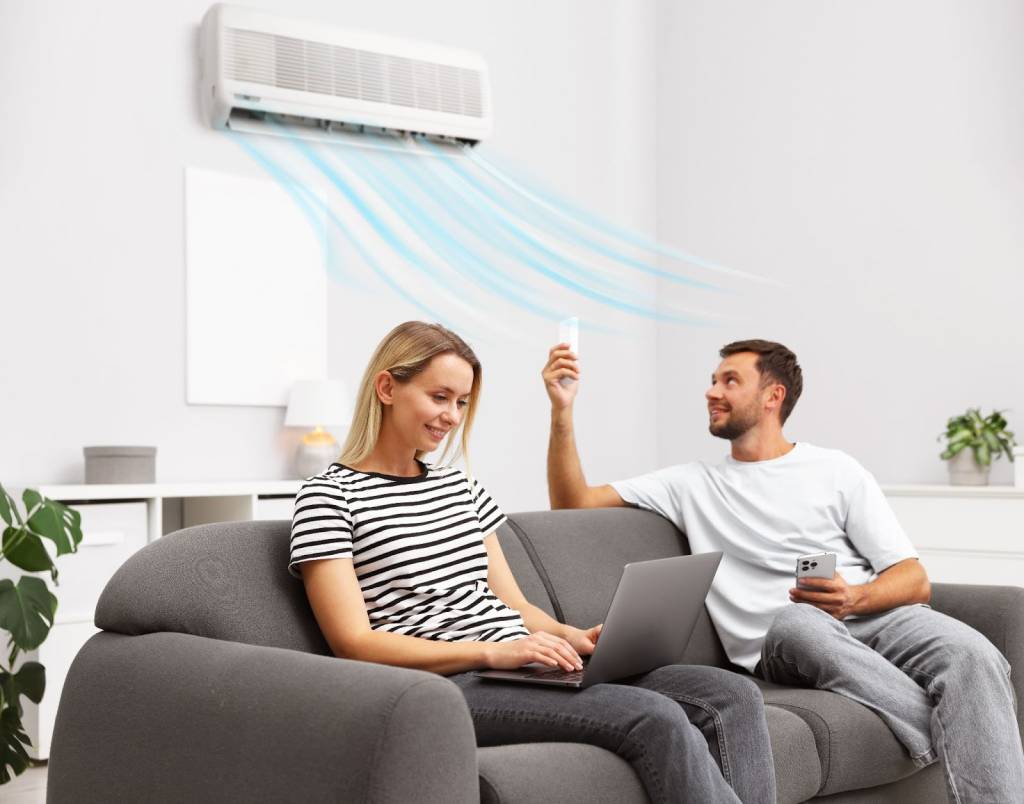
Cool indoor air brings relief when outdoor heat climbs fast. People depend on steady cooling to keep homes comfortable through long warm seasons. Smooth airflow and strong temperature control help reduce stress inside busy spaces. Each air conditioning system follows a straightforward process that reliably removes heat. The entire cycle creates a sense of consistency, making daily routines more straightforward to manage.
Purpose of Air Conditioning Systems
Air conditioning systems cool indoor spaces by removing heat and moisture. The process supports comfort in homes and workplaces during warm seasons. Controlled airflow helps people avoid the tension that can build up as indoor temperatures rise. The system maintains stable conditions through a cycle that repeats with a consistent rhythm.
Indoor Comfort and Heat Control
Indoor comfort improves when cooling systems move heat away with a steady flow of air. Warm air gathers quickly inside during long warm months. The system reacts by pulling heat from rooms and pushing cooler air back through vents. Each cycle maintains balanced temperatures throughout the home. Indoor airflow also helps reduce stale pockets of warm air. Better temperature control supports calmer days in active spaces.
Moisture Reduction and Air Quality
Air conditioning units reduce humidity while lowering temperature levels. Humid air feels heavy and uncomfortable in enclosed rooms. The evaporator coil collects this moisture and drains it away. Drier air feels cleaner and easier to breathe during warm weather. Better humidity control also protects furniture and surfaces. The result supports a more comfortable and healthier indoor environment.
Core Components in Air Conditioning Systems
Air conditioning systems rely on key parts that move refrigerant and manage heat transfer with precise steps. Each component supports the cooling cycle through functions that guide airflow and regulate temperature. The sequence works best when every part stays clean and efficient. These components form the core structure of a well-running system.
Compressor Function and Heat Movement
The compressor initiates the cooling process by increasing the refrigerant pressure. Pressurized vapor collects heat as it moves toward the next stage. The compressor keeps refrigerant flowing through the system with a potent force. High pressure helps the system release heat outdoors. Steady operation supports the entire cooling cycle. The system cannot cool without this steady pressure shift.
Condenser Coil Heat Release
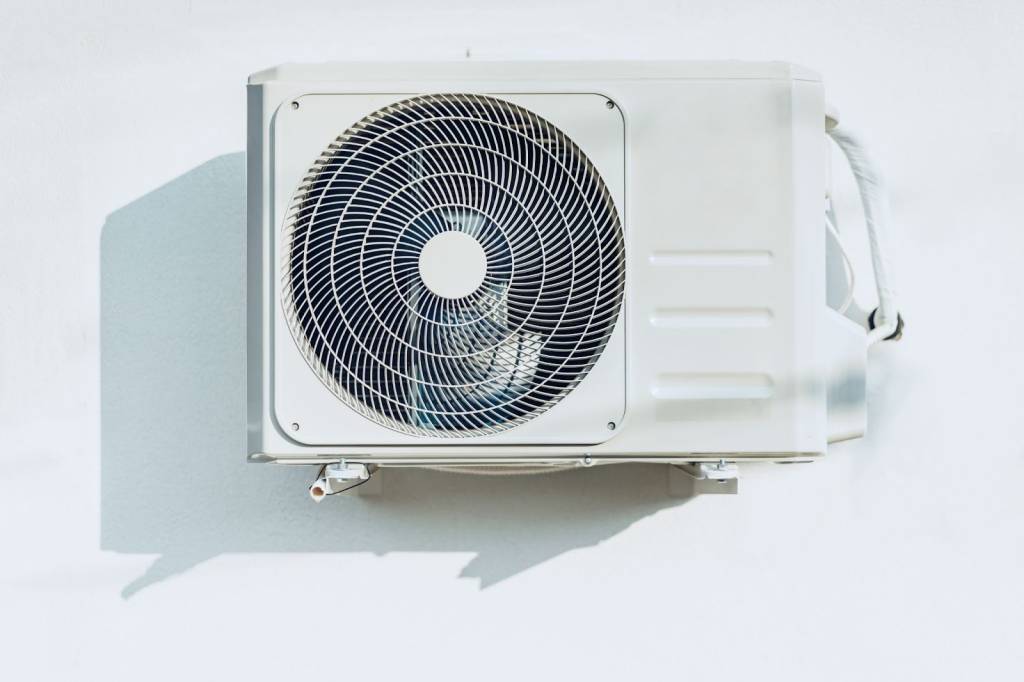
The condenser coil releases heat into the outdoor air during each cycle. Warm vapor from the compressor is cooled as outdoor airflow passes over the coil. Fans help push heat away from the metal surface. The vapor cools enough to condense into liquid. Liquid refrigerant holds less heat after this change. The system then moves the liquid into the next stage for further cooling.
Expansion Valve Pressure Shift
The expansion valve lowers refrigerant pressure to prepare it for fast cooling. This valve controls how much refrigerant enters the evaporator coil. The pressure drop cools the liquid quickly for stronger heat absorption. Balanced flow prevents coil flooding that slows performance. The valve also protects the compressor from heavy pressure swings. Smooth control supports consistent cooling in each cycle.
Evaporator Coil Indoor Cooling
The evaporator coil absorbs indoor heat through chilled refrigerant. Warm air passes over the coil as the blower moves it through the unit. The refrigerant collects heat and drops the air temperature. Moisture condenses on the coil and drains away. Cooler air flows back through the ducts and into the rooms. The cycle keeps repeating until the thermostat reaches the set point.
How Air Conditioning Systems Produce Cool Air
Air conditioning systems create cool air by cycling refrigerant through controlled pressure and temperature changes. The thermostat triggers this cycle when indoor temperatures rise above the chosen setting. Each part moves in sequence to absorb indoor heat and release it outside. This pattern repeats until indoor comfort stabilizes.
Refrigeration Cycle Explained
The refrigeration cycle shifts refrigerant between liquid and vapor states. The refrigerant absorbs heat indoors and releases it outdoors with each cycle. Pressure changes guide every phase of heat transfer. The evaporator coil handles heat absorption inside the home. The condenser coil handles heat release from the outside of the house. The compressor and valve support these shifts with steady direction.
Air Movement and Filter Support
The system pulls warm air through return vents to begin the cooling path. Filters catch dust and debris before air reaches the coil. Clean filters support easy airflow and protect system parts. The blower pushes cooled air back through supply vents. Balanced airflow helps prevent hot spots across rooms. Strong duct flow improves overall comfort during warm months.
Thermostat Signals and System Timing
The thermostat measures indoor temperature and sends signals to the cooling unit. These signals control the system start and stop times with clear commands. Short cycles often show that the system size does not match the home. Long cycles reflect balanced cooling across larger spaces. Accurate readings help maintain comfort without wasted energy. Better timing leads to smoother performance.
Refrigerants Inside Air Conditioning Systems
Refrigerants support cooling by absorbing indoor heat during evaporation and releasing heat outdoors during condensation. These fluids shift states quickly to help the system work with steady efficiency. Their stability guides smoother heat transfer across coils. This section explains why refrigerants matter in every cooling system.
Modern Refrigerant Qualities
Modern refrigerants cool spaces with strong heat transfer abilities. Their low boiling points help them evaporate fast inside the coil. Chemical stability supports long system life and cleaner operation. Refrigerants also reduce strain on compressors with smoother flow. Their performance adapts well to a wide range of indoor loads. These qualities support reliable cooling across warm climates.
How Phase Change Creates Cooling
Refrigerants evaporate when they absorb heat indoors. They condense when they release heat outdoors. This constant shift moves heat away from living spaces. Pressure levels guide these changes with controlled precision. The system depends on predictable reactions inside each coil. This repeated cycle produces the cool air people feel inside.
Efficiency Factors in Air Conditioning Systems
Air conditioning systems perform best when all parts operate with clean airflow and are appropriately sized. Efficiency also depends on strong SEER ratings and regular care. Good design helps reduce strain during long warm periods. These factors keep the cooling process smooth and cost-effective.
System Sizing Effects on Comfort
Oversized systems cool too fast and shut off before airflow spreads evenly. Undersized systems run for long periods and struggle to reach the set point. Both problems raise energy use and reduce comfort. Balanced sizing helps the unit run smoothly. Better cycles minimize wear on internal parts. Correct sizing supports lasting performance across warm seasons.
SEER Ratings and System Selection
SEER ratings measure how much cooling output a system provides for each unit of energy. Higher ratings reflect more efficient performance across seasonal conditions. Coil design and compressor control influence final ratings. Better airflow also supports higher efficiency during cooling cycles. People often choose systems with stronger SEER scores for lower energy use. These ratings help guide long-term planning.
Regular Maintenance for Stronger Output
Filters clog quickly, reducing airflow through the unit. Clean filters support smoother cycles and better comfort. Coils gather dirt that blocks heat transfer and strains components. Cleaning restores the unit’s cooling power and reduces energy waste. Tune-ups help catch worn parts before they cause damage. Regular service helps maintain reliable cooling during warm seasons.
Issues That Affect Air Conditioning Systems
Common cooling issues start with airflow issues, refrigerant leaks, or electrical faults. These problems reduce comfort and quickly raise energy costs. Early detection reduces strain on internal parts and helps extend system life. Each issue deserves attention to avoid deeper repairs.
Refrigerant Leaks and Performance Problems
Refrigerant leaks lower the system’s ability to absorb heat. Low levels result in longer cycles and reduced cooling output. The evaporator coil may freeze due to a pressure imbalance. The compressor works harder to keep temperatures steady. Leaks also raise energy costs across the season. Repair requires precise testing to restore proper charge.
Dirty Coils and Energy Waste
Dirty coils block heat transfer, both inside and outside the system. Dust creates insulation that traps unwanted heat. The system then runs longer to reach the thermostat setting. Longer cycles raise energy use across warm months. Extra strain increases wear on key parts. Clean coils help restore fast and efficient heat removal.
Electrical Failures and Cooling Interruptions
Relays and contactors weaken as they handle repeated electrical loads. Wiring may loosen, interrupting signals that start the cooling cycle. The compressor may fail to start when electrical parts break. Short bursts of cooling may point to failing components. These faults interrupt indoor comfort during warm periods. Electrical checks help prevent a complete system shutdown.
Improving Performance in Air Conditioning Systems
People experience smoother cooling when they upgrade controls, improve airflow, and maintain ductwork. These improvements enhance comfort across a range of temperatures. Small changes often produce stronger results during warm seasons. Each step extends long-term system health.
Smart Control Features for Better Cooling
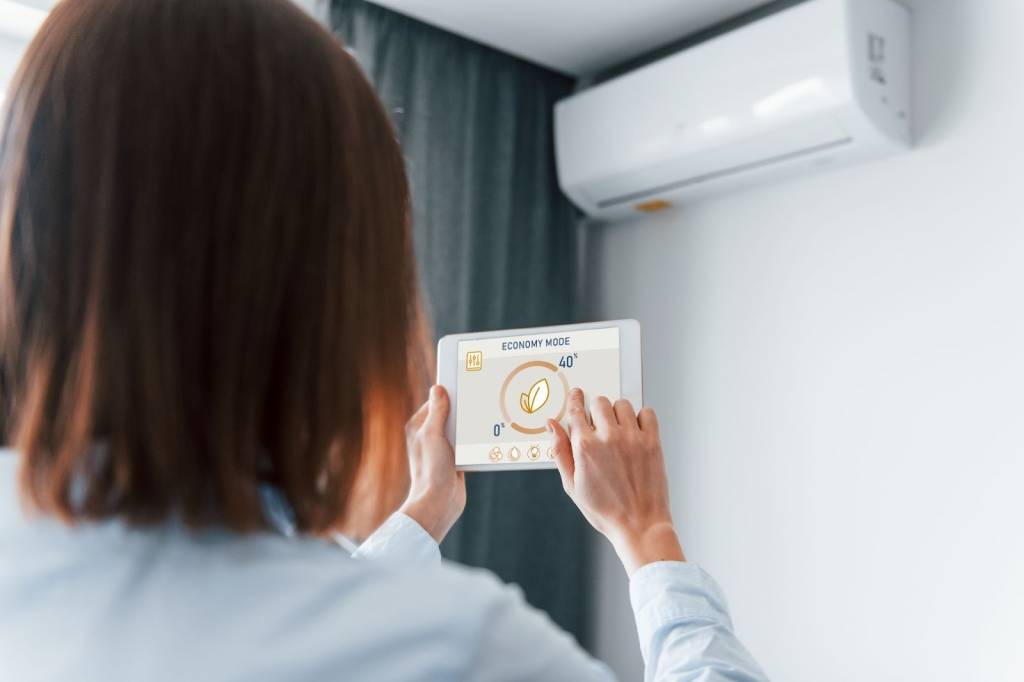
Smart thermostats track indoor habits and adjust cooling patterns. They reduce energy waste by lowering output during quiet hours. Remote access helps people manage comfort from any location. Alerts warn users when airflow drops or parts weaken. Better scheduling supports cleaner and steadier cycles. Smart controls provide greater clarity into system behavior.
Air Quality Tools That Support Cooling
Upgraded filters remove smaller particles from indoor air. Cleaner airflow reduces strain on system components. Balanced humidity prevents sticky and uncomfortable rooms. Airflow remains steady when ducts stay clean. Better air quality also protects evaporator coil surfaces. The entire cooling system benefits from cleaner movement.
Power Up Air Conditioning Systems Efficiency
Strong HVAC services help cooling units stay sharp when seasonal heat rises, and the proper support can boost comfort with steady results. Routine inspections, coil cleaning, and smarter controls push your system to run with smoother airflow and lower energy use. Each upgrade strengthens long-term performance and keeps indoor spaces comfortable without strain. If you want dependable cooling and fewer surprises during warm months, now is the time to rely on trusted HVAC services that keep your air conditioning system performing at its best.
If you want reliable HVAC knowledge that improves daily comfort, follow the latest updates on Brancato’s Heating & Cooling blog.