

Home comfort expectations have shifted as energy costs continue to rise across households. Many homeowners now seek systems that offer better control without increasing costs. A ductless mini-split system provides targeted heating and cooling without the need for bulky ductwork. It adapts easily to different room sizes while maintaining steady indoor temperatures. This modern approach gives homeowners efficient comfort, quieter operation, and greater control over daily energy use.
Ductless Mini Split System Basics
A ductless mini-split system delivers heating and cooling without traditional ductwork. It connects indoor air handlers to an outdoor unit through compact refrigerant lines. This system design reduces energy loss and simplifies installation in most homes. Homeowners benefit from efficient temperature control with fewer structural changes.
Core Parts of Mini Split Systems
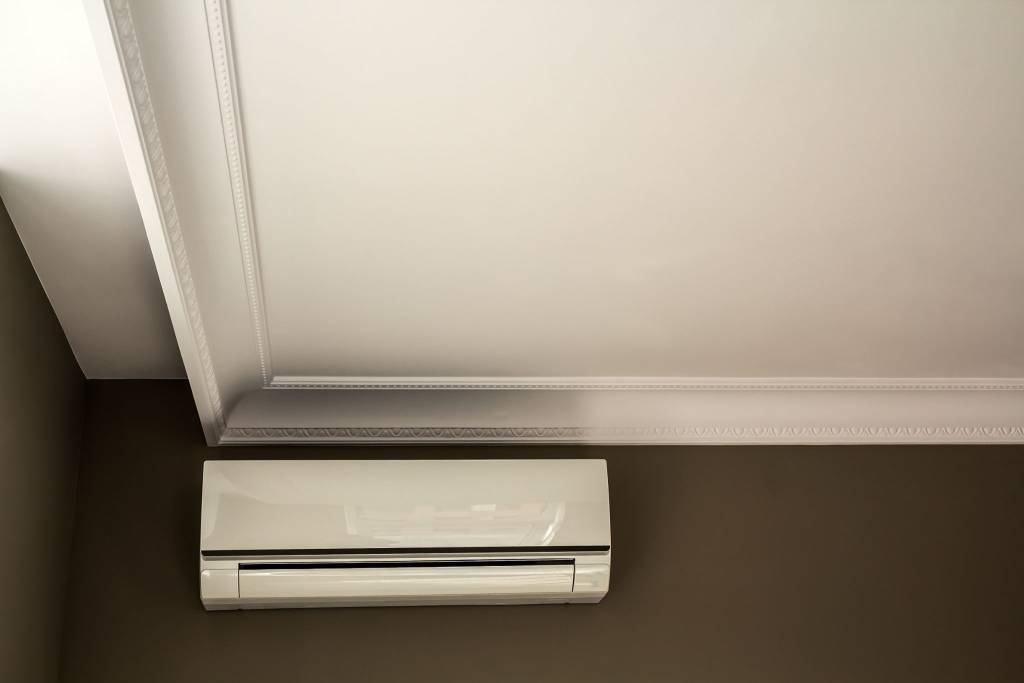
A ductless mini-split system includes an outdoor compressor and indoor air-handling units. The outdoor unit circulates refrigerant that transfers heat between the indoor and outdoor environments. Indoor units distribute conditioned air directly into specific rooms for precise comfort. A small conduit houses the refrigerant line, power cable, and condensate drain line. This setup requires only a small wall opening, which minimizes disruption during installation. Homeowners can select wall-, ceiling-, or floor-mounted units based on the room’s design.
Differences from Central HVAC Systems
A ductless mini-split system differs from a central HVAC system by eliminating the need for air ducts. Traditional systems lose energy through leaks and poor insulation within ductwork. This design change improves efficiency by allowing conditioned air to reach rooms directly. Installation also requires less labor compared to extending or repairing duct systems. Homeowners gain independent temperature control, rather than relying on a single central thermostat. According to the U.S. Department of Energy, duct losses can account for over 20 percent of energy use.
Why Homeowners Choose Mini Split Systems
Heating and cooling choices affect comfort, energy use, and long-term costs in every home. Many homeowners now prefer systems that offer precise control without complex installation. A ductless mini-split system meets these expectations with efficient, flexible performance. The following sections explain the practical reasons behind its growing popularity.
Lower Energy Use and Cost Reduction
A ductless mini split system reduces energy use by delivering air directly where needed. It avoids the energy losses associated with ducted systems in many homes. This efficiency helps lower monthly utility bills while maintaining comfort. Homeowners often see long-term savings through reduced energy demand.
Reduced Energy Consumption at Home
A ductless mini split system uses inverter technology to adjust output based on demand. This technology prevents constant cycling, a common energy-wasting feature of traditional systems. Air flows directly into the room, which eliminates losses through duct leakage. Homeowners can cool or heat only occupied spaces instead of the entire house. This targeted approach reduces unnecessary energy consumption throughout the day. Many households notice improved efficiency shortly after installation.
Long-Term Financial Advantages
A ductless mini split system offers financial benefits that extend beyond initial installation costs. Lower energy bills contribute to consistent savings over the system’s lifespan. Maintenance costs remain lower because the system has fewer mechanical components. Repairs also occur less frequently compared to traditional HVAC systems. This durability increases the overall value of the investment for homeowners. Over time, the system often pays for itself through reduced operating expenses.
Smart Controls and Energy Management
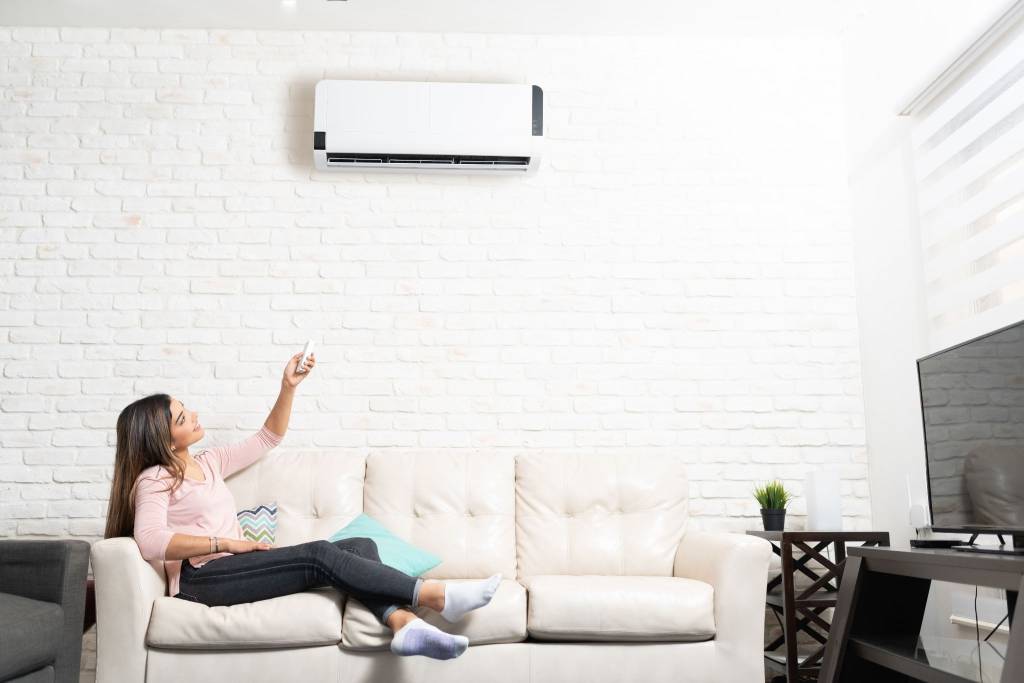
A ductless mini split system often includes smart features that improve efficiency. Homeowners can control temperatures remotely using mobile apps or smart thermostats. This control enables better energy management throughout the day. Scheduling features help maintain comfort without running the system unnecessarily. Some systems learn usage patterns and adjust settings automatically for better performance. This level of control supports both convenience and energy savings.
Flexible Setup and Zoned Comfort Control
A ductless mini-split system offers flexible installation options for homes with various layouts. It avoids major structural changes because it does not require ductwork. This flexibility allows homeowners to upgrade comfort without extensive renovations. The system also supports zoning, which improves temperature control across different areas.
Zoned Comfort for Every Room
A ductless mini split system allows each indoor unit to operate independently. This feature enables homeowners to set different temperatures for each room or zone. Bedrooms, living areas, and offices can maintain unique comfort levels throughout the day. This control reduces energy waste in unoccupied rooms. Families benefit from personalized comfort without affecting other areas of the home. This zoning capability enhances both efficiency and daily comfort.
Easy Installation in Existing Homes
A ductless mini split system installs quickly because it requires minimal structural work. Technicians only need a small opening to connect the indoor and outdoor units. This process reduces installation time compared to traditional HVAC systems. Homeowners avoid major renovations that often increase project costs. This system works well in older homes where ductwork does not exist. The simplified installation makes it a practical choice for many households.
Ideal for Renovations and Additions
A ductless mini split system works well in spaces where extending ducts is difficult. Home additions such as garages, basements, and sunrooms benefit from independent climate control. Detached spaces can also maintain consistent temperatures without connecting to the main system. This flexibility allows homeowners to expand their living areas comfortably. The system adapts to changing needs as homes grow or layouts change. This versatility supports both small upgrades and larger renovation projects.
Cleaner Air and Improved Indoor Comfort
A ductless mini split system improves indoor air quality by reducing airborne contaminants. It eliminates ductwork, which often collects dust and allergens over time. This system design supports cleaner airflow throughout the home. Homeowners experience improved comfort with more consistent indoor conditions.
Cleaner Air Without Duct Systems
A ductless mini split system prevents dust buildup associated with traditional ducts. This system design reduces the spread of allergens and airborne particles. Many units include advanced filtration that captures pollutants before air circulates indoors. This filtration helps improve breathing conditions for occupants with sensitivities. Homeowners can maintain filters easily without specialized tools. This cleaner airflow contributes to a healthier indoor environment.
Steady Temperatures Across Rooms
A ductless mini-split system maintains consistent temperatures in each zone. This system performance reduces hot and cold spots often found in larger homes. Indoor units respond quickly to temperature changes, which improves comfort. Homeowners can adjust settings easily to match daily needs. This control keeps rooms comfortable during both warm and cold seasons. The result is a balanced indoor climate throughout the home.
Quiet Operation for Better Living
A ductless mini split system operates quietly compared to many traditional HVAC systems. Indoor units produce minimal noise, which supports restful sleep and daily activities. Outdoor compressors also run more quietly due to advanced design improvements. This reduced noise creates a more peaceful home environment. Homeowners notice the difference during both daytime and nighttime use. This quieter performance enhances overall comfort without disruption.
Year-Round Heating and Cooling Flexibility
A ductless mini-split system provides both heating and cooling in a single unit. It uses heat pump technology to transfer heat rather than generate it. This approach improves efficiency across different seasons. Homeowners gain a flexible system that adapts to changing weather conditions.
Year-Round Heating and Cooling
A ductless mini split system functions as both an air conditioner and a heater. This system’s capabilities enable homeowners to rely on a single unit year-round. It performs efficiently in moderate climates while maintaining indoor comfort. This dual function reduces the need for separate heating systems. Homeowners benefit from simplified maintenance and operation. This convenience makes it a practical solution for many households.
Fits Different Home Layouts
A ductless mini-split system adapts to homes of all sizes and layouts. This system design works well in apartments, single-family homes, and multi-level spaces. Homeowners can install units in specific areas based on comfort needs. This flexibility allows gradual system expansion over time. The system remains effective even as living spaces change or grow. This adaptability supports long-term use in different home environments.
Switch to a Ductless Mini Split System
A ductless mini split system changes how your home handles comfort, energy use, and daily living. It offers precise control without the limitations of traditional setups, which helps you stay comfortable year-round. Working with a trusted HVAC service helps you select the right system and achieve proper installation. Choosing a ductless mini split system today can bring lasting comfort, lower costs, and a better living environment.
Find smarter ways to manage comfort and energy use by reading the latest tips on Brancato’s Heating Inc. blog.