

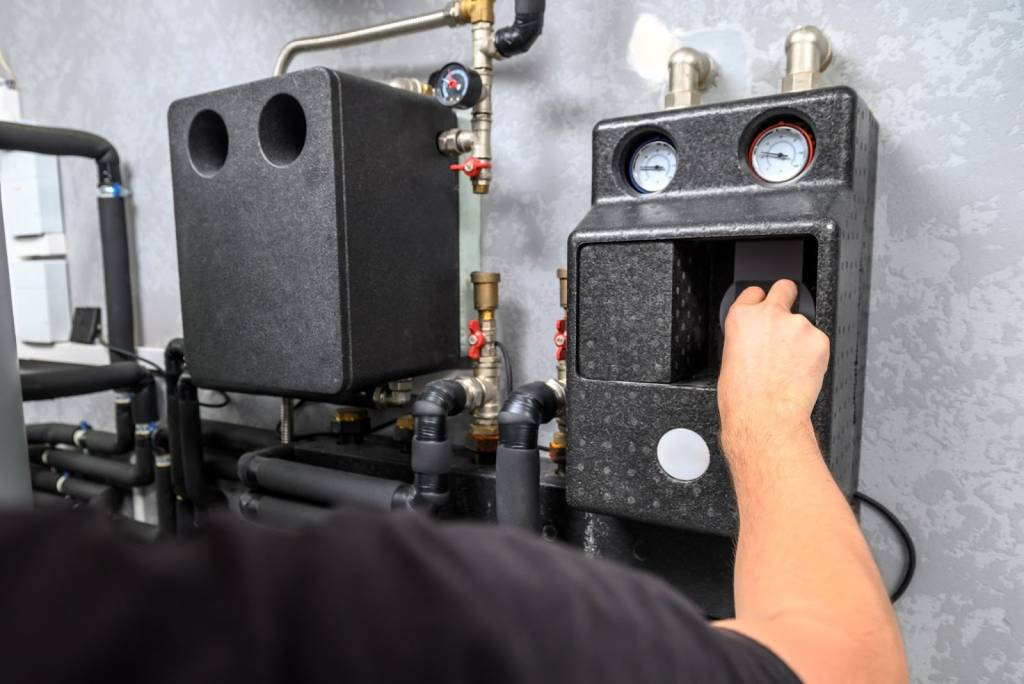
Boilers remain a common heating choice for homeowners who value steady, reliable warmth. These heating systems operate quietly and distribute heat differently than air-based equipment. Many homeowners notice comfort differences almost immediately after switching to boilers. Those differences affect energy use, indoor air quality, and long-term operating costs. Boilers continue to stand out in conversations about efficient home heating.
What Boilers Are and How They Heat Homes
Boilers are water-based heating systems that warm homes through radiators, baseboards, or radiant floors. This boiler design heats water inside a sealed unit and circulates it through pipes. Heat transfers gently into rooms rather than blowing through vents. Homeowners often experience fewer temperature swings because water holds heat longer than air.
Boiler Heating Process Explained
Boilers heat water using gas, oil, or electricity and circulate it through closed-loop piping. This boiler process evenly distributes heat to each connected radiator or floor zone. As water releases heat, it cools and flows back to the boiler for reheating. The thermostat controls this cycle to maintain the chosen temperature. Because water retains heat efficiently, boilers cycle less often. This system efficiency helps reduce daily energy waste in colder months.
Heat Delivery Through Radiators and Floors
Radiators slowly release heat into the surrounding air and surfaces. This radiator’s warmth spreads evenly instead of rising quickly toward the ceiling. Radiant floor systems warm rooms from the ground upward. This heating method eliminates the cold spots common to forced-air systems. Baseboard heaters offer a compact alternative for wall-mounted heating. Each option supports consistent comfort throughout living spaces.
Boiler Zoning and Room-By-Room Control
Boilers often support zoning through separate heating loops. This zoning setup allows different rooms to maintain different temperatures. Homeowners can reduce heating in unused spaces. This control improves comfort without increasing energy use. Furnaces rarely match this level of precision. Zoning flexibility appeals to larger households.
How Furnaces Heat Residential Homes
Furnaces heat homes by warming air and pushing it through ductwork. This furnace method delivers fast temperature changes when thermostats activate. Many homes already contain ducts, making furnaces easy to install. However, air-based heating behaves differently from water-based systems.
Furnace Heat Generation and Airflow
Furnaces generate heat inside a metal exchanger using fuel or electricity. A blower fan pushes heated air through ducts into rooms. The furnace airflow stops once the thermostat reaches its setting. Heat dissipates quickly after each cycle ends. Frequent cycling can cause uneven temperatures. This airflow pattern defines how furnaces feel during operation.
Common Furnace Types in Homes
Gas furnaces remain the most widely used option in residential heating. Electric furnaces suit mild climates with lower heating demands. Oil furnaces still appear in areas without gas access. High-efficiency furnaces improve performance through variable-speed motors. Multi-stage furnaces adjust output based on heating demand. Each furnace type fits different home layouts and budgets.
Role of Ductwork in Furnace Performance
Ductwork determines how evenly heat is distributed throughout the rooms. Leaks reduce airflow and waste energy. Poor insulation allows heat loss in unconditioned spaces. Uneven duct layouts create hot and cold zones. Regular inspections improve system performance. Duct condition directly affects comfort levels.
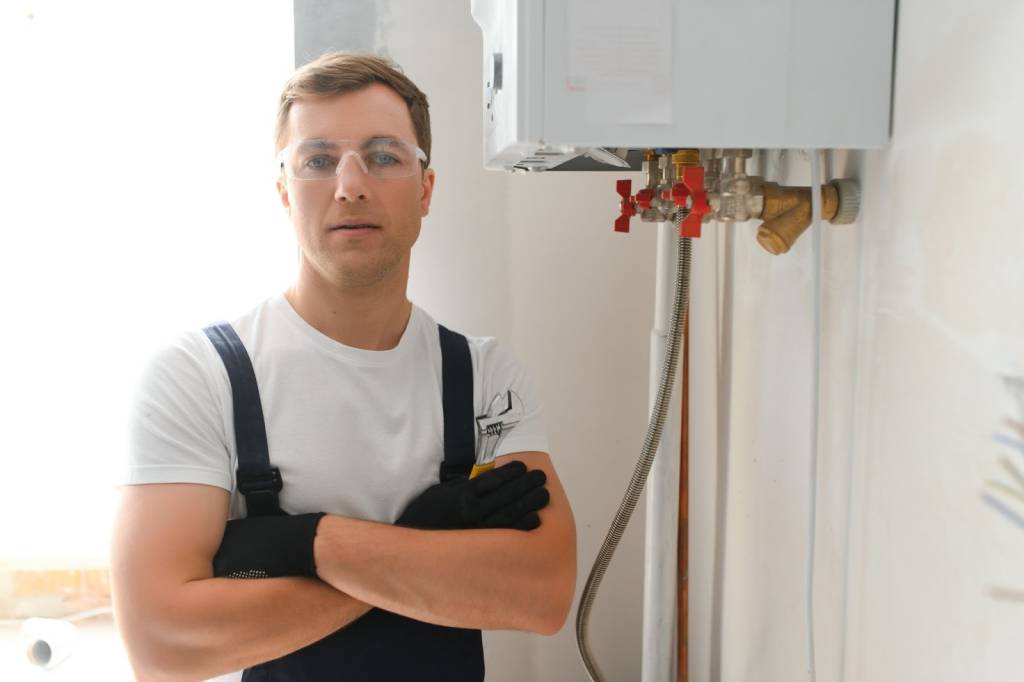
Boilers vs. Furnaces for Comfort Levels
Boilers and furnaces create comfort in noticeably different ways. These heating differences affect temperature consistency and indoor conditions. Homeowners often recognize these contrasts during long heating seasons. Comfort preferences frequently guide system selection.
Temperature Consistency Across Rooms
Boilers maintain stable room temperatures over more extended periods. This boiler consistency reduces hot and cold fluctuations. Furnaces heat rooms quickly but cool faster between cycles. That furnace behavior can cause noticeable temperature swings. Radiant heat feels more natural to many occupants. This comfort difference becomes clear overnight and in early mornings.
Noise and Daily Living Experience
Boilers operate quietly since water moves silently through pipes. This quiet operation suits bedrooms and open living spaces. Furnaces rely on fans that create noticeable sound. Noise increases during frequent cycling in cold weather. Light sleepers often notice this difference immediately. Reduced noise supports a calmer home environment.
Air Movement and Draft Sensation
Boilers warm objects rather than pushing air. This heating style reduces drafts near windows and doors. Furnaces rely on airflow to distribute heat. That movement can feel breezy during operation. Some homeowners find this sensation uncomfortable. Reduced air movement improves perceived comfort.
Energy Efficiency and Heating Costs
Energy efficiency directly affects long-term heating expenses. Boilers and furnaces manage energy differently. These system designs influence monthly utility bills. Efficiency considerations often extend beyond initial installation costs.
Boiler Efficiency Over Heating Seasons
Modern boilers achieve high efficiency ratings through improved heat retention. Condensing boilers reuse exhaust heat that older systems waste. This boiler efficiency reduces fuel consumption during extended cold periods. Water-based heating cycles less frequently than air systems. Fewer cycles mean steadier energy use. Long-term costs often remain predictable for homeowners.
Furnace Efficiency and Heat Loss
Furnace efficiency depends heavily on duct condition and layout. Leaky ducts allow heated air to escape before it reaches the rooms. This heat loss raises operating costs over time. Even sealed ducts lose some warmth in unheated spaces. High-efficiency furnaces reduce waste through improved controls. However, airflow losses remain unavoidable.
Seasonal Energy Usage Patterns
Boilers maintain consistent output during prolonged cold spells. This seasonal stability limits sudden energy spikes. Furnaces respond rapidly to thermostat changes. That response increases cycling during temperature swings. Cycling raises short-term energy demand. Seasonal patterns influence annual utility costs.
Installation Factors for Home Heating Systems
Installation requirements vary based on system type and home design. Boilers and furnaces demand different infrastructure. These differences affect timelines and total project costs. Planning helps homeowners avoid unexpected expenses.
Boiler Installation Requirements
Boiler installation requires piping throughout the home. This boiler setup often suits older homes with existing radiators. Retrofitting newer homes may involve wall access and flooring work. Installation typically takes longer than furnace replacement. Skilled technicians handle pressure controls and safety components. Proper planning supports long-term reliability.
Furnace Installation and Ductwork
Furnaces can be installed quickly in homes with existing ducts. This furnace advantage reduces labor time and cost. Replacement projects often finish within days. Duct upgrades may increase costs if issues are present. Furnaces integrate easily with central cooling systems. That compatibility appeals to many homeowners.
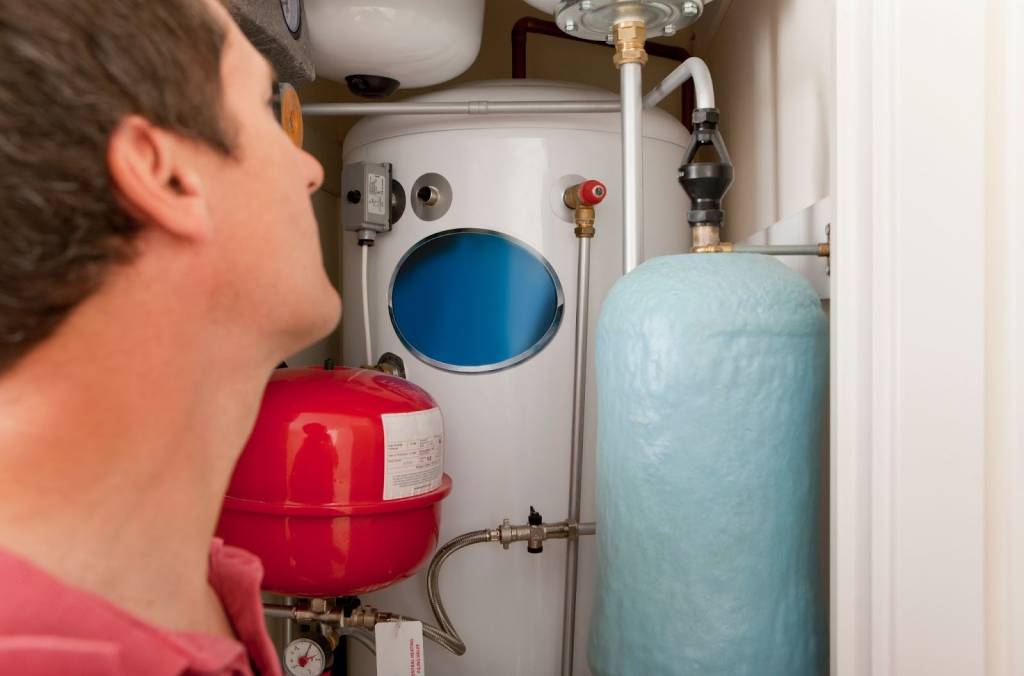
Maintenance Needs and System Lifespan
Maintenance influences reliability and heating performance. Both systems require regular professional service. Proper care reduces repair frequency and downtime. Longevity often depends on consistent upkeep.
Boiler Maintenance and Durability
Boilers require annual inspections for safe operation. Technicians check pressure levels, valves, and water quality. This boiler care prevents corrosion and leaks. Well-maintained boilers often last several decades. Fewer moving parts reduce mechanical wear. Long service life offsets higher installation costs.
Furnace Maintenance Expectations
Furnaces require regular filter replacements. Dirty filters restrict airflow and reduce efficiency. Blower motors experience wear over time. Annual tune-ups help maintain performance. Furnaces generally have shorter lifespans than boilers. Maintenance consistency strongly affects durability.
Indoor Air Quality and Health Effects
Heating systems influence indoor air conditions daily. These effects impact comfort and respiratory health. Homeowners with allergies often notice differences in the system. Air quality considerations extend beyond temperature control.
Boilers and Cleaner Indoor Air
Boilers do not circulate air through ducts. This heating method limits the movement of dust and allergens. Radiant heat feels gentler on breathing. Homes often stay cleaner between cleanings. Reduced airflow lowers airborne irritants. Many allergy-sensitive households prefer this approach.
Furnace Air Quality Considerations
Furnaces move air continuously during operation. Filters capture some airborne particles. Dirty ducts may reintroduce dust into rooms. Regular maintenance improves air quality. Some homeowners add purification systems. Air circulation remains constant with furnaces.
Cost Comparison for Long-Term Ownership
Heating costs include more than the purchase price. Installation, operation, and maintenance affect total expenses. Long-term ownership reveals actual system value. Homeowners benefit from understanding cost patterns.
Boiler Costs Over Time
Boilers require a higher upfront investment. Installation labor and materials increase the initial expense. Operating costs often remain stable year to year. Fewer repairs reduce surprise expenses. Long lifespan improves return on investment. Many homeowners view boilers as a lasting solution.
Furnace Costs and Budget Planning
Furnaces cost less to purchase and install. Initial affordability attracts budget-focused homeowners. Repair costs increase as systems age. Fuel usage fluctuates with weather severity. Shorter lifespan affects long-term value. Budget planning should include replacement timelines.
Choosing Between Boilers and Furnaces
System selection depends on home layout and priorities. Climate and comfort expectations influence decisions. Each system serves different lifestyles. Informed choices lead to lasting satisfaction.
Climate and Regional Heating Needs
Colder regions often favor radiant heating systems. Boilers perform well during extended winter conditions. Furnaces handle moderate cold efficiently. Fuel availability affects operating costs. Regional building styles also influence choices. Climate awareness supports smarter decisions.
Lifestyle and Comfort Preferences
Noise sensitivity affects system satisfaction. Allergy concerns influence air quality priorities. Families value consistent warmth differently. Maintenance tolerance varies by homeowner. Long-term plans shape investment choices. Personal comfort often guides final decisions.
Invest in Boilers for Stable Indoor Warmth
Boilers support a level of comfort that feels steady, quiet, and dependable throughout the heating season. This boiler-driven warmth reduces sudden temperature shifts and limits airflow disruptions that affect daily comfort. Homeowners who value consistency, clean indoor air, and predictable energy use often see boilers as a practical long-term choice. A brief evaluation with a qualified heating professional can confirm whether a boiler system fits your home’s structure, efficiency goals, and comfort expectations.
Explore practical heating insights and homeowner tips on the Brancato’s Heating & Cooling blog to make confident comfort decisions.