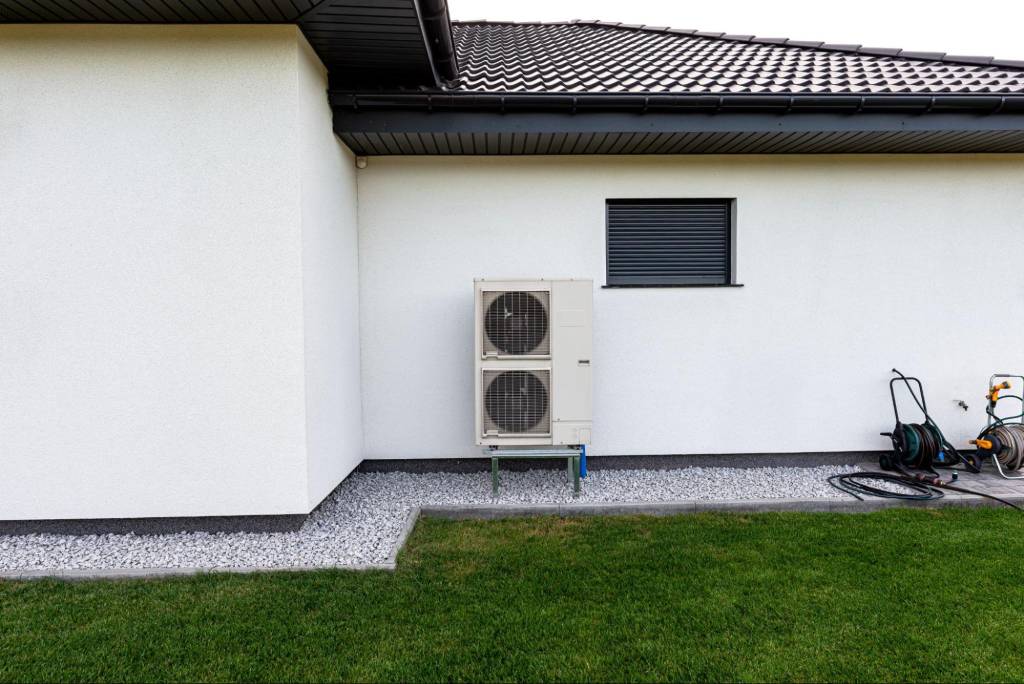
Homeowners often struggle to balance comfort and energy efficiency throughout the seasons. Traditional heating and cooling systems consume much power, leading to higher bills and inconsistent comfort. Using a smart and efficient process, a heat pump changes that equation by transferring heat instead of producing it. It’s a system designed for reliability, sustainability, and comfort that works all year round without wasting energy.
What is a Heat Pump and Why it’s Efficient
A heat pump is an HVAC system that moves heat between spaces to warm or cool your home. Depending on the season, it uses a small amount of electricity to transfer heat from the air or ground. During winter, it extracts heat from outside air and pushes it indoors, and in summer, it reverses the cycle to remove heat from your home. This method delivers efficient, steady comfort without burning fuel or wasting energy.
The Core Principle of Heat Transfer
Heat pumps work on a simple principle—moving heat instead of creating it. They use refrigerant, a fluid that changes from liquid to gas to absorb and release heat. A compressor pressurizes the refrigerant to move energy efficiently through coils. When heating, it pulls warmth from the outside air and releases it indoors, and when cooling, it pushes indoor heat out. This constant transfer keeps your home comfortable while using less energy. Additionally, the process remains clean and environmentally friendly because no combustion occurs.
Types of Heat Pumps for Homes
There are three main types of heat pumps: air-source, ground-source, and water-source. Air-source heat pumps are the most common and suitable for most climates. Ground-source or geothermal heat pumps use stable underground temperatures for higher efficiency. Water-source systems draw heat from nearby water bodies when available, offering consistent performance. Each type provides unique benefits, and the best choice depends on your property’s layout, location, and climate conditions.
How Does a Heat Pump Work Step by Step?
A heat pump transfers heat using a continuous refrigerant cycle. Its key components include the compressor, condenser coil, evaporator coil, and expansion valve. Each part moves heat energy between the indoor and outdoor units. The process operates quietly, smoothly, and efficiently, ensuring stable comfort in all seasons.
The Refrigeration Cycle Explained Clearly
The cycle begins when the refrigerant absorbs heat from the air at low pressure. The compressor then increases the refrigerant’s pressure, turning it into a hot gas. As this gas moves through the condenser coil, it releases the captured heat into your home’s air. The refrigerant then cools and passes through the expansion valve, lowering its pressure before starting again. This repeating process keeps your home’s temperature balanced. The constant flow of energy movement makes heat pumps both powerful and cost-effective.
Switching Between Heating and Cooling Modes
Heat pumps have reversing valves that can easily switch between heating and cooling. This valve changes the direction of the refrigerant flow depending on the temperature setting. In heating mode, the system absorbs heat from outside and sends it indoors, while in cooling mode, it removes heat from inside and releases it outside. Homeowners benefit from having one system that does both tasks seamlessly. This dual function makes heat pumps versatile, space-saving, and budget-friendly for year-round use.
Electricity’s Role in Powering Heat Pumps
Electricity fuels the compressor, fan, and control systems operating heat pumps. It doesn’t generate heat directly but powers the mechanisms that move heat efficiently. Because the system transfers existing energy rather than creating it, electricity consumption stays low, resulting in noticeable reductions in monthly energy costs. Additionally, renewable electricity, like solar or wind, can make the system nearly carbon-neutral.
Heat Pumps vs. Traditional HVAC Systems
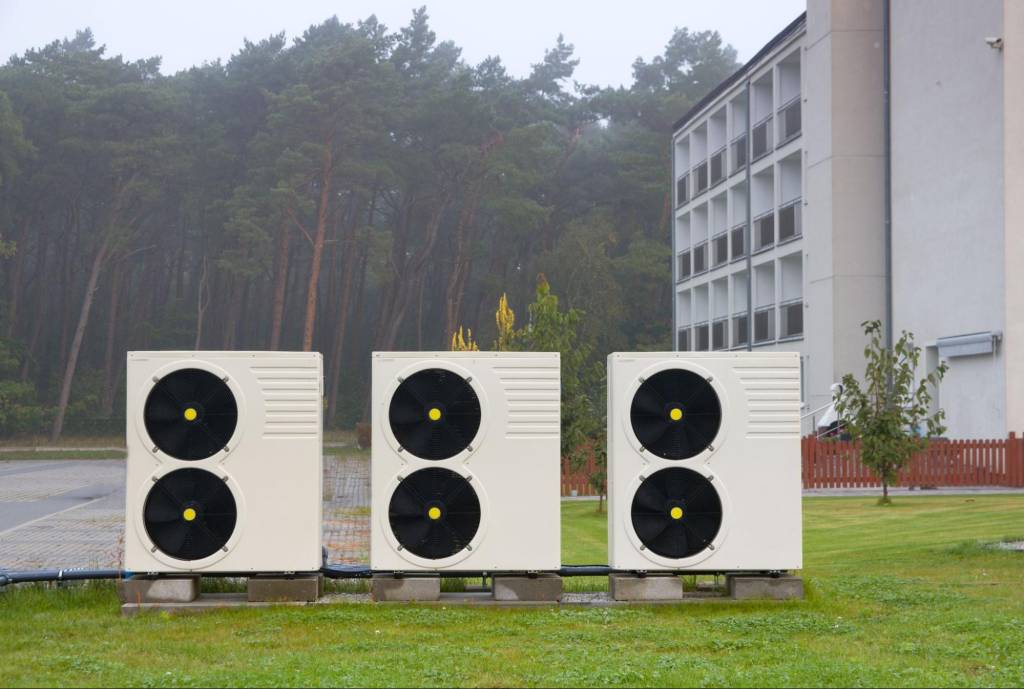
Heat pumps outperform many conventional systems in both efficiency and comfort. Unlike furnaces that burn fuel or air conditioners that rely heavily on power, heat pumps only move heat. This difference makes them more sustainable and cost-efficient in moderate climates. They also provide steady, even temperatures without frequent cycling or noise.
Efficiency and Energy Savings
A heat pump can deliver up to three times more heating energy than the electricity it consumes. This efficiency results from its ability to move existing heat instead of generating it through combustion. Systems with variable-speed compressors adjust power output based on temperature needs, avoiding waste. Homeowners experience reduced bills and consistent comfort without sudden shifts in indoor climate. Over time, these savings offset the initial cost of installation. In many regions, rebates and tax credits make switching even more affordable.
Comfort and Air Quality Benefits
Heat pumps provide steady warmth without the dryness caused by gas furnaces. Their gentle airflow maintains ideal humidity and improves air circulation. Advanced filters in many units capture dust, allergens, and pollutants for cleaner air. This filtration creates a healthier living space and consistent comfort throughout the home. Similarly, their quiet operation eliminates the loud start-stop sounds of older HVAC units. The overall experience is smoother, cleaner, and more relaxing.
Maintenance and System Longevity
Heat pumps require regular maintenance to stay efficient and reliable. Homeowners should clean filters, remove debris from outdoor units, and schedule yearly inspections. Professional service includes checking refrigerant levels, coils, and electrical connections. With consistent care, most systems last 15 to 20 years or longer. Investing in proper maintenance reduces breakdowns and maximizes energy savings. A well-maintained system performs at peak efficiency season after season.
Factors That Influence Heat Pump Performance
Several real-world factors affect how efficiently a heat pump works. Climate, home insulation, and proper installation all influence its performance. Systems in mild climates typically achieve higher efficiency because less energy is required to transfer heat. Understanding these variables helps homeowners choose the correct location and living space system.
Climate and Outdoor Temperature Effects
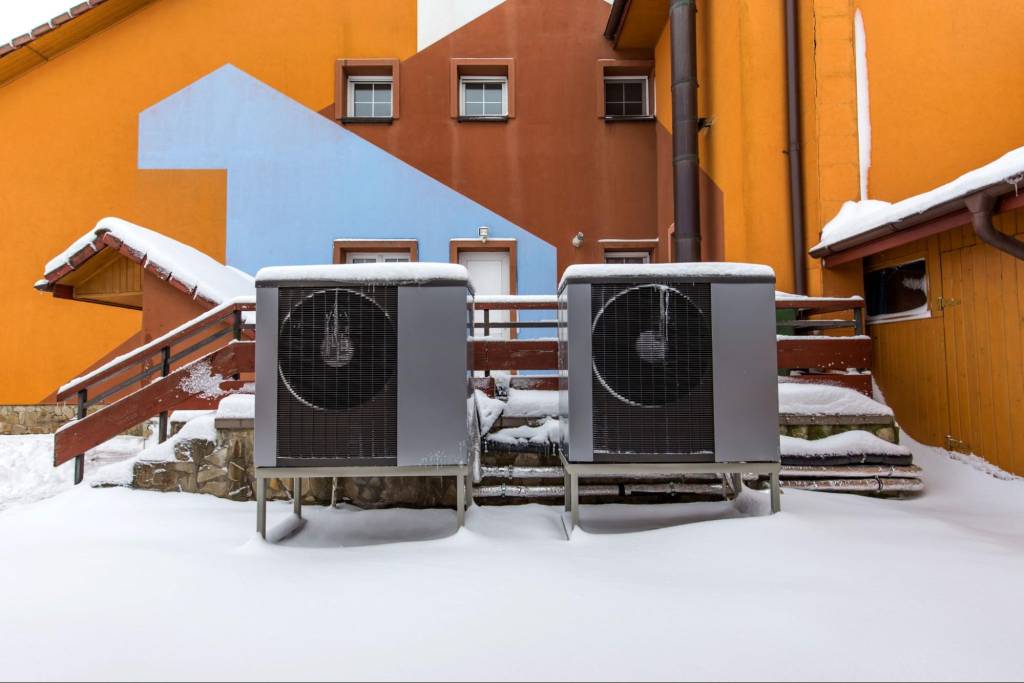
Heat pumps perform best in moderate climates where temperatures rarely drop below freezing. Cold-climate models now include advanced compressors that maintain efficiency even in low temperatures. In regions with extreme cold, a dual system combining a heat pump and furnace provides backup heating. During summer, the same heat pump cools efficiently without overworking. This adaptability makes modern heat pumps suitable for a wide range of locations. For example, recent energy studies show improved performance in regions previously unsuitable for air-source systems.
Insulation and Ductwork Efficiency
Home insulation plays a direct role in how well a heat pump functions. Poor insulation allows heat to escape, forcing the system to work harder. Properly sealed ducts distribute air evenly, preventing hot and cold spots. Upgrading insulation and ducts before installation ensures maximum energy efficiency. This preparation also extends the life of the system. Homeowners who make these improvements often notice lower bills and more consistent indoor temperatures.
Installation and Sizing Accuracy
Correct installation determines how effectively a heat pump performs. A system that’s too small struggles to maintain comfort, while an oversized one wastes energy. Professionals use load calculations to choose the ideal size for your home. They check airflow balance, refrigerant charge, and electrical setup for optimal operation. Quality installation prevents premature wear and uneven temperatures. Choosing a trusted local HVAC service also ensures a reliable, expert setup tailored to your home’s needs.
How Homeowners Can Maximize Heat Pump Efficiency
A heat pump reaches its full potential when used and maintained correctly. Simple actions like consistent thermostat settings, regular cleaning, and professional tune-ups improve performance. Every small habit contributes to a longer lifespan and greater savings. Awareness and upkeep turn a standard system into a high-performing home comfort solution.
Using Smart Thermostats for Better Control
Smart thermostats help homeowners fine-tune their heat pump’s efficiency. These devices learn your preferences and automatically adjust temperatures throughout the day. Keeping steady settings reduces unnecessary energy use and keeps indoor comfort consistent. Remote control options make adjustments easy, even when you’re away. Reports from smart systems can highlight energy trends and opportunities for savings. This modern control adds convenience and insight into your system’s performance.
Cleaning and Air Filter Maintenance
Clean filters allow smooth airflow and steady heating or cooling. Dirty or clogged filters strain the system and raise energy use. Homeowners should inspect filters monthly and replace them as needed. Outdoor units should also stay free of leaves, snow, and debris. A clean system runs quietly and maintains peak performance. Regular filter care keeps the air fresh and your system efficient all year.
Regular Service and Professional Inspections
Routine professional maintenance ensures your system continues working efficiently. During each visit, technicians check refrigerant levels, test components, and clean coils. They can detect potential issues early, saving homeowners from expensive repairs. Seasonal checkups also improve energy efficiency and comfort. Regular service keeps your system performing like new. Homeowners who stay proactive enjoy reliable comfort and longer equipment life.
Why Understanding Modern Heat Pump Technology Matters
Understanding how a heat pump works helps homeowners make smarter maintenance and upgrade decisions while maximizing comfort and savings. This knowledge builds confidence in selecting the correct settings, identifying service needs, and managing energy use effectively. Today’s systems continue to evolve with inverter-driven compressors, smart home integration, and eco-friendly refrigerants that improve performance and reduce environmental impact. Supported by 2024 energy research, modern heat pumps outperform traditional HVAC systems’ efficiency, reliability, and sustainability, making them a wise choice for comfortable, responsible living.
Improve Comfort and Efficiency With Heat Pumps
Heat pumps combine performance, comfort, and sustainability in one system designed for modern homes. They use advanced technology to reduce energy costs while providing reliable heating and cooling. Proper installation and care deliver long-term value that far outweighs older systems. Now is the right time to consider an upgrade that benefits your home and the planet. Consult a licensed HVAC professional to find a system that perfectly fits your home, lifestyle, and comfort goals.
Explore Brancato’s Heating & Cooling blog for fundamental insights into keeping your home comfortable, efficient, and ready for every season.