
Building a new property is more than just construction; it is a carefully managed timeline that requires meticulous coordination and strategic planning. Every step influences the cost, schedule, and overall quality of the finished building. Owners who understand the process make informed decisions and avoid costly surprises. Knowing how a new construction project unfolds provides clarity and helps everyone stay aligned from concept to completion.
Why the New Construction Timeline Matters
A new construction timeline is more than a checklist; it is a strategy for avoiding delays and staying on budget. Owners who understand each stage make smarter decisions and avoid frustrations. Every step, from pre-planning to final inspection, impacts how smoothly the project progresses. Knowing the process now enables clients to take the next step with greater confidence. Clear timelines also help contractors and clients maintain trust throughout the entire build.
Understanding the Phases of New Construction
Every building project follows a timeline shaped by careful planning, coordination, and execution. Each phase builds on the last, guiding owners from the first sketch to move-in day. Recognizing these stages helps avoid confusion and keeps expectations realistic. The following breakdown explains how new construction unfolds step by step.
The Pre-Planning Stage
Pre-planning is the first stage in any new construction timeline because it defines expectations, budget, and feasibility. Owners, architects, and contractors use this phase to set realistic goals and review possible challenges. The groundwork done here determines whether the project will flow smoothly or face delays later. Adequate pre-planning creates a strong foundation for the stages that follow.
Site Selection and Evaluation
Site selection directly impacts the cost, safety, and usability of a new building. Soil testing, grading, and environmental reviews confirm whether the land can support the design. Topography, flood zones, and nearby infrastructure also guide development decisions. Utility access for water, power, and sewage is evaluated early to prevent future issues. Choosing the right site avoids complications that may otherwise halt progress mid-project. A poor site choice is one of the most common reasons for extended delays.
Conceptual Design and Budget Forecast
Conceptual design links client ideas with practical, affordable solutions. Architects provide sketches and layouts, while cost estimators check labor, materials, and permit prices. Forecasting includes unexpected expenses, so the budget reflects real-world conditions. Contractors often review plans during this stage to highlight potential challenges. Early financial planning avoids last-minute cutbacks or redesigns when the project is already underway. Aligning design with budget from the start keeps expectations realistic and achievable.
Local Codes and Zoning Requirements
Before any work begins, new construction must comply with local building codes and zoning regulations. Codes regulate safety and structural standards, while zoning laws determine the type of building that can occupy a location. Failure to comply can result in costly redesigns or even project cancellations. Owners and contractors research these rules before advancing design documents. Local approval ensures the project remains legally compliant throughout construction. Staying ahead of restrictions avoids legal conflicts later in the timeline.
Design and Planning Stage
The design and planning stage shapes the official blueprint of the project. Architects, engineers, and planners refine concepts into detailed documents that every trade uses. This stage includes structural drawings, system schematics, and material specifications. Careful planning reduces errors and aligns the project with the client’s vision.
Architectural and Engineering Plans
Architectural and engineering plans provide clear direction for construction teams. These documents show floor layouts, system placements, and elevation designs. Engineers focus on stability, electrical safety, and efficient mechanical systems. Collaboration between teams during this stage prevents errors like misaligned piping or overloaded circuits. Plans serve as the guiding framework for inspections and future building maintenance. Without them, contractors would lack the precision needed for safe construction.

Permits and Government Approvals
Permits authorize work on structural, mechanical, electrical, and plumbing systems. Local governments require applications that prove compliance with codes and zoning. Some projects may take weeks or months to receive full approval. Missing documents or errors can stall progress indefinitely. Contractors often prepare submissions carefully to reduce rejection risks. A valid permit is mandatory before excavation or foundation work begins.
Choosing the Right Contractor
The choice of a contractor influences the success of a new construction project. Owners evaluate bids for pricing, experience, and reputation. Contracts must clearly define timelines, payment terms, and roles. Good communication between the contractor and client builds trust during stressful stages. Reliable contractors also coordinate with subcontractors and inspectors to ensure seamless project execution. A poor contractor choice often results in budget overruns and incomplete work.
Site Preparation
Site preparation is the stage where physical work begins. Land is cleared, leveled, and secured for construction access. Utility connections and drainage plans are coordinated to support the upcoming structure. A well-prepared site ensures that foundation work proceeds without complications.
Excavation and Foundation Work
Excavation shapes the land for trenches, basements, or crawl spaces. Contractors then install formwork and pour concrete for the foundation. This stage determines the stability and durability of the entire structure. Inspectors check depth, material quality, and reinforcement before approval. Improper foundation work can lead to structural failures or costly repairs later. Once complete, the building is ready for framing.
Utility Connections and Groundwork
Underground utilities, including water, sewer, and gas, are installed during this stage. Electric conduits are also placed before slabs are poured. Contractors coordinate with local providers to ensure compliance and future access. Inspections verify that connections meet safety standards. Any mistake at this stage can necessitate destructive rework once the building is complete. Utility installation lays the groundwork for interior comfort systems.
Structural Framework
The structural framework forms the skeleton of the building. Framing reveals the proper size, shape, and layout of the property. Contractors also add exterior protection to shield interior work from the weather. Proper framing sets the pace for the rest of the project.
Framing Walls, Floors, and Roofs
Carpenters or steel crews install walls, joists, and roofing elements. Depending on the project, materials may be wood, concrete, or steel. Inspections confirm that structural loads are distributed safely. Level walls and square corners prevent later doors, windows, and finishes issues. Contractors prioritize speed without sacrificing precision during this phase. Structural strength is tested before proceeding with exterior elements.
Installing Exterior Shell
The exterior shell protects interior work from weather and damage. Windows, doors, and roof coverings are added to seal the building. Contractors use flashing and weatherproofing techniques to keep water out. This stage often signals to clients that real progress has been made. Once sealed, interior trades can work without risk of rain damage. Exterior completion also improves security at the jobsite.
Interior Work
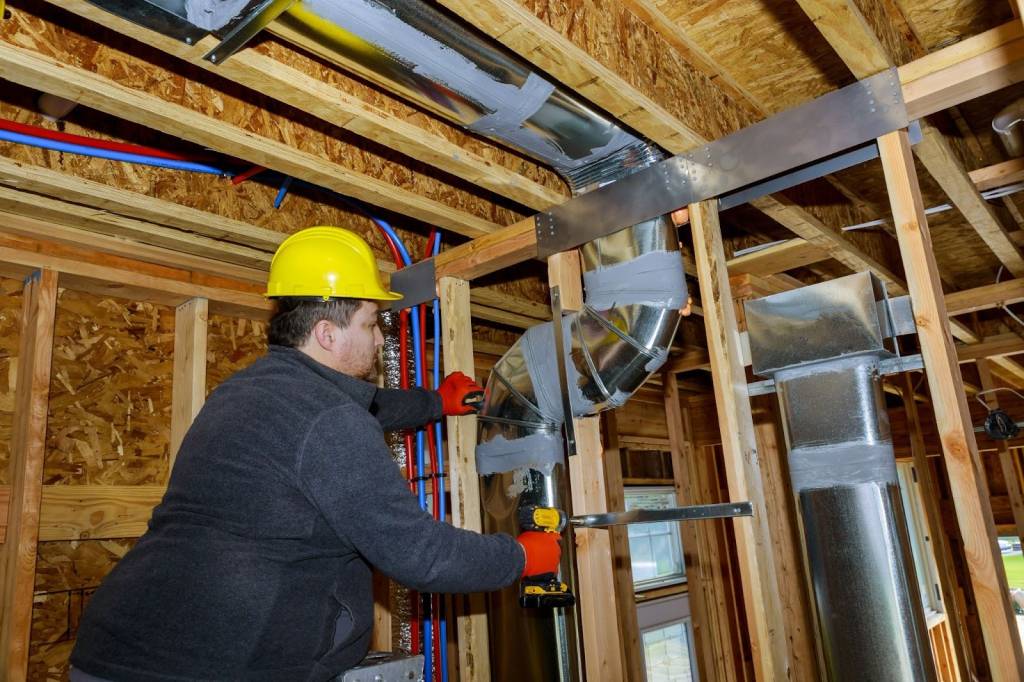
Interior work converts the framed shell into usable space. This phase involves mechanical systems, wall enclosures, and finishing details. Several trades operate simultaneously, which requires precise scheduling. Interior progress shows the clearest transformation for clients.
Mechanical, Electrical, and Plumbing Systems
Electricians, plumbers, and HVAC teams install the systems that make the building functional. They run pipes, wires, and ducts through walls and ceilings. Coordination prevents conflicts like pipes blocking air vents or wires crossing gas lines. Local inspectors review systems before walls are sealed. Mistakes caught later would require tearing down finished walls. Proper installation ensures safety, efficiency, and comfort.
Insulation and Drywall Installation
Insulation keeps indoor spaces comfortable and energy-efficient. Depending on the project, contractors choose fiberglass, foam, or cellulose. Drywall is then hung, taped, and sanded to create smooth surfaces. Proper finishing ensures clean paint lines and solid wall durability. Inspections may confirm fire resistance and code compliance. Once drywall is finished, spaces begin to resemble real rooms.
Interior Carpentry and Millwork
Trim, cabinets, and staircases are installed during this period. Carpentry defines the property’s style while adding functionality. Precision cutting ensures joints are seamless and surfaces align correctly. Custom millwork may be included to enhance aesthetics or storage. At this stage, clients carefully inspect every detail. Poor craftsmanship here stands out immediately and impacts satisfaction.
Finishing Touches
The finishing stage highlights design choices that personalize the property. Contractors focus on detailed work inside and out, and owners see their vision realized in paint, flooring, and fixtures. Finishing is the most visually rewarding stage of the entire process.
Flooring and Cabinet Installation
Once walls and systems are complete, flooring is installed. Depending on the budget, options range from hardwood to tile or carpet. Cabinets and countertops are then fitted into kitchens and bathrooms. Contractors sequence work to avoid damaging finished flooring. Proper installation guarantees long-term performance without gaps or squeaks. This stage sets the tone for daily usability.
Painting and Final Trims
Painters choose colors for walls, ceilings, and exteriors. Trim, molding, and baseboards define each room’s look. Contractors must check for consistent coverage and straight lines. Exterior painting schedules often depend on the weather. These finishing steps give the property a polished appearance. Clients usually view this stage as the proper completion of their project.
Final Inspections and Walkthrough
Final inspections and walkthroughs mark the project’s transition into occupancy. Local officials confirm compliance with safety and building codes. Clients then walk through the property with contractors to review work quality. This stage finalizes accountability before keys are handed over.
Safety and Code Inspections
Government inspectors thoroughly check structural, electrical, and mechanical systems. They also review fire safety and accessibility features. Any deficiencies must be fixed before occupancy is allowed. Inspectors ensure that the building meets all regulations for public or private use. Passing these inspections is legally required for completion. Without approval, owners cannot take possession of the property.
Punch List and Client Review
Clients inspect the property with contractors to create a punch list. Items often include cosmetic issues, such as paint drips or misaligned hardware. Contractors must address every listed concern before final payment. This review ensures the property meets the agreed-upon standards. The walkthrough builds confidence in the contractor’s commitment to quality. A completed punch list signals readiness for move-in.
Project Closeout and Move-In
Project closeout is the last stage of the new construction timeline. Contractors provide warranties, manuals, and system guides to owners. Final cleaning and utility checks prepare the property for full use. Closing paperwork also confirms the financial settlement between both parties.
Warranty and Documentation Delivery
Owners receive documents covering system warranties and maintenance schedules. These guides help protect the building from long-term wear and tear. Manuals also explain how to operate plumbing, electrical, and HVAC systems safely. Keeping records accessible supports warranty claims when needed. Proper documentation ensures clients know how to care for their property. This transfer represents the formal conclusion of construction responsibilities.
Preparing the Property for Move-In
The property is cleaned, staged, and tested for final readiness. Contractors verify that utilities and appliances work correctly. At this stage, clients may arrange movers or staging companies. Preparing carefully reduces stress on move-in day. Any last adjustments are made before occupancy. This process officially marks the end of construction and the start of ownership.
Begin Strong With a Reliable New Construction Timeline
Every successful build starts with a roadmap that avoids confusion and wasted effort. A reliable timeline is the foundation for keeping costs controlled and goals within reach. Partnering with professionals who respect the process transforms challenges into progress. Start your new construction journey with clarity, commitment, and confidence in every step ahead.
Visit the Brancato’s Heating & Cooling blog for practical tips, timelines, and resources that turn complex projects into smooth experiences.