Your HVAC system isn’t just a machine; it’s why your home stays livable during extreme weather. When it’s running right, you barely think about it. But when it fails, you feel it fast. Knowing the difference between preventive and emergency HVAC service matters more than most people realize.
What HVAC Service Covers and Why it Matters
HVAC service includes everything from seasonal maintenance to urgent repairs. These services keep your heating, cooling, and ventilation systems working safely and efficiently. They also help protect your home from moisture damage, poor air quality, and energy waste. Understanding your options prevents costly surprises, whether you’re a homeowner or property manager.
What Preventive and Emergency HVAC Services Mean
Preventive HVAC service is scheduled, routine maintenance that keeps your system in top shape. It includes filter changes, thermostat checks, cleaning, and performance testing. Emergency HVAC service happens when something breaks unexpectedly, like a failed furnace in the winter or a blown AC during a heatwave. One is about planning; the other is about fixing things fast when they go wrong. Both are necessary, but they serve different purposes.
Why Professional HVAC Service Makes a Difference
Well-maintained systems last longer, use less energy, and break down less often. A licensed technician can catch problems you wouldn’t notice until too late. Additionally, regular service ensures your warranty remains valid and your equipment complies with safety standards. Emergency repairs, while helpful in the moment, often cost more and fix symptoms, not root causes. Preventive service keeps things under control before they become problems.
What Happens During Preventive HVAC Service
Preventive HVAC service is a scheduled checkup to avoid breakdowns. It helps your system perform better year-round while improving energy efficiency. This service is the easiest way for most homeowners to avoid inconvenient and expensive repairs. It keeps your home more comfortable with fewer interruptions.
What Technicians Inspect and Tune During a Visit
During preventive maintenance, technicians clean components like coils, replace filters, test thermostats, check refrigerant levels, and inspect safety controls. These steps help identify worn-out parts, airflow problems, and potential leaks. Most visits take under two hours, leaving your system running smoother. By catching issues early, you avoid last-minute failures. The result is better comfort, cleaner air, and longer equipment life.
When You Should Schedule Preventive HVAC Service
Ideally, schedule service twice a year—once in the spring and once in the fall. That prepares your system for the upcoming season when it’s most stressed. A quarterly visit may be more suitable if your home experiences high usage or extreme weather conditions. Depending on your system and air quality needs, you should also change filters every one to three months. Staying consistent with these checks can reduce repair calls by over 50 percent.
What Emergency HVAC Service Involves
Emergency HVAC service is unplanned and usually urgent. System failures, strange noises, leaks, or complete shutdowns trigger it. You often need it during extreme heat or cold, when comfort and safety are at risk. These calls solve the problem fast, but come with added stress and cost.
What Qualifies as an HVAC Emergency
Common emergencies include no heat during freezing temperatures, no AC during a heatwave, gas smells, burning odors, water leaks, or loud, unusual sounds. Any of these can signal mechanical failure or a safety hazard. If left unaddressed, these issues can lead to property damage or pose health risks. Emergency services should be called immediately in these situations. Waiting only makes the repair more complex and expensive.
What to Expect From Emergency Technicians
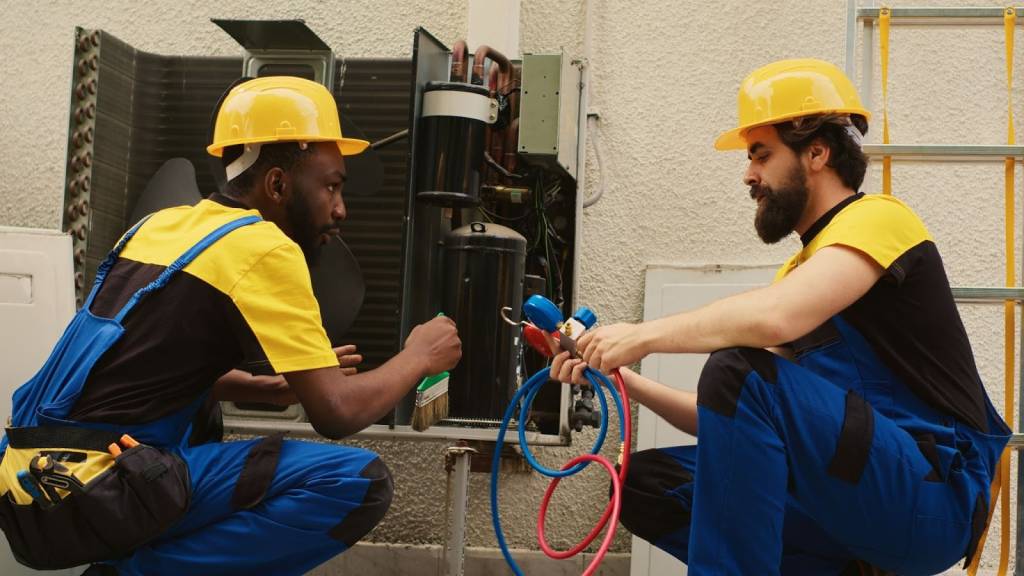
Emergency technicians aim to get your system up and running as quickly as possible. Their first step is a quick diagnostic to identify the source of the failure. If parts are available, they’ll repair them immediately. If not, they may set up a temporary solution to hold you over. Emergency repairs often cost more due to after-hours service, parts surcharges, and the rush factor. It’s effective when needed, but it’s never ideal.
Differences Between Preventive and Emergency HVAC
Preventive and emergency HVAC services meet very different needs. One maintains performance and avoids problems. The other solves issues under pressure. Knowing the contrast helps you save time and money and avoid stress.
Cost and Convenience Comparison
Preventive service costs less over time. It spreads out small payments instead of forcing one considerable, urgent expense. Emergency services may be necessary, but usually come with after-hours fees, higher hourly rates, and additional labor. Additionally, you may have to wait longer during high-demand seasons. Planning with preventive care gives you more control over your time and your budget.
Service Quality and Thoroughness
During preventive visits, technicians have the opportunity to inspect every system detail. They can clean parts, adjust settings, and fine-tune performance to optimize it. In emergency repairs, the goal is quick recovery, not complete system optimization. That means you may get a fix, but not a long-term solution. Preventive service provides cleaner air, improved performance, and peace of mind.
System Downtime vs. Seamless Operation
Emergency HVAC service usually follows unexpected system downtime, which can disrupt your routine, comfort, or even business operations. Whether it’s a freezing night without heat or a sweltering afternoon without AC, the gap between failure and repair often feels longer than it is. Preventive HVAC service eliminates downtime by preparing your system for high-demand days. It ensures that performance stays consistent without sudden drops in temperature or airflow. You stay comfortable and uninterrupted, while emergency repairs force you to wait, adjust, and react. Preventive care is the only way to guarantee your system stays ahead of stress.
How HVAC Service Extends System Lifespan
Most HVAC systems last between 12 and 20 years, but this duration depends heavily on proper maintenance. Without routine care, wear and tear accumulate more rapidly, leading to premature failure. Preventive HVAC service slows this process down by reducing stress on components and catching issues early. It’s one of the most reliable ways to get full value from your system.
Why Maintenance Delays System Wear and Tear
Each time your HVAC system operates, its components move, heat, or cool, generating friction and pressure. Over time, motors wear out, belts stretch, and coils collect debris. Preventive service keeps these parts clean, lubricated, and properly adjusted. That means less strain, lower operating temperatures, and fewer emergency shutdowns. You’re not just avoiding repairs but slowing down the aging process.
What Happens When You Skip Mid-Life Checkups
Many systems show no warning signs until they’re close to failure. Around the eight- to 12-year mark, components such as compressors, blowers, and sensors tend to weaken. Without inspection, they wear down quietly until they break. That’s when emergency repairs get expensive, and sometimes, replacement becomes the only option. Preventive service during this phase helps push your system to its full expected lifespan.
Why Preventive HVAC Service Saves You More
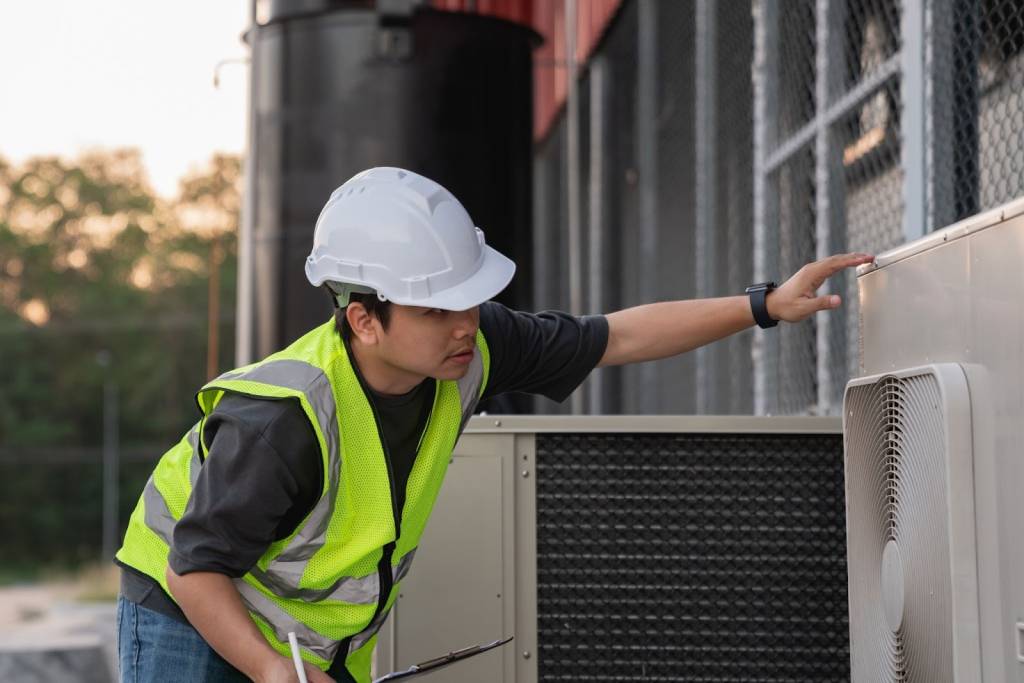
Preventive HVAC service isn’t just about avoiding breakdowns; it’s also about maintaining optimal system performance. It extends the lifespan of your system, keeps energy bills low, and helps protect your home. A small investment now prevents major expenses later. It’s one of the simplest ways to protect your home’s value and comfort.
Long-Term Benefits of Routine HVAC Care
When your system runs efficiently, you use less energy. That saves money on monthly bills. You also avoid mid-season breakdowns that throw off your schedule. Preventive care improves air quality and reduces strain on the equipment. That means fewer repairs, a longer system lifespan, and better indoor comfort. It’s a smarter way to manage your home.
What Happens When You Skip Preventive Maintenance
Skipping service may save money in the short term, but always costs more later. Dirty filters clog airflow, overworked systems overheat, and unchecked parts wear out faster. Eventually, something breaks, and emergency repair becomes your only option. Additionally, neglected systems waste energy and reduce comfort, even before failure. Preventive care avoids all of this.
How HVAC Service Affects Energy Audits and Home Value
Your HVAC system is central to how your home is rated for efficiency and long-term value. During energy audits or home inspections, the condition of your heating and cooling system is often one of the first things checked. Dirty, noisy, or neglected systems can lower a home’s energy score and raise concerns for potential buyers. Preventive HVAC service strengthens your position whether you’re staying or planning to sell.
H3: How Regular Maintenance Boosts Energy Audit Scores
Energy audits identify leaks, poor airflow, and system inefficiencies. A technician checks how well your HVAC performs relative to size, age, and design. The system will earn better marks if it runs clean and has up-to-date maintenance records. High efficiency often translates to lower monthly energy consumption, which is particularly important in energy-conscious markets. Preventive services keep performance high and improve audit outcomes.
Why HVAC Condition Influences Appraisals and Offers
When appraisers evaluate your home, they consider the age and condition of the core systems. A well-maintained HVAC system signals reliability and lowers the buyer’s risk. It can lead to a higher appraised value or reduce the chance of last-minute price negotiations. Homes with documented maintenance often sell faster and closer to the asking price. HVAC service isn’t just about comfort but a smart financial move.
Choosing the Right HVAC Service Partner
Working with a reliable HVAC service provider makes a big difference. Not every company offers the same quality, speed, or attention to detail. A good provider builds trust, explains the work clearly, and helps you plan. They treat your home like their own.
What to Look for in a Preventive Service Plan
The best service plans include biannual visits, priority scheduling, filter changes, and complete system inspections. They should offer straightforward pricing with no surprise fees. A quality provider will answer your questions and clearly explain the condition of your system. They’ll also keep records and help track future maintenance needs. Ask for references or check online reviews before committing.
Signs a Provider May Not Be Right for You
If a company rushes service, avoids questions, or pressures you into upgrades, take that as a warning. Hidden fees, vague recommendations, and poor follow-through are also red flags. A skilled HVAC technician focuses on long-term reliability, rather than quick fixes or upsells. Your provider should feel like a partner, not a problem. The right one helps you stay ahead, not just catch up.
Prioritize HVAC Service Before Comfort Disappears
Waiting for your system to fail means you’re choosing discomfort over control. A well-timed HVAC service doesn’t just fix problems; it prevents them from starting. Every skipped check shortens your system’s lifespan and reduces your comfort. Book your next service while things are still running smoothly. It’s the simplest way to stay ahead without dealing with last-minute stress.
Curious about what keeps your system running smoothly year-round? Explore real insights and practical tips on the Brancato’s Heating & Cooling blog.